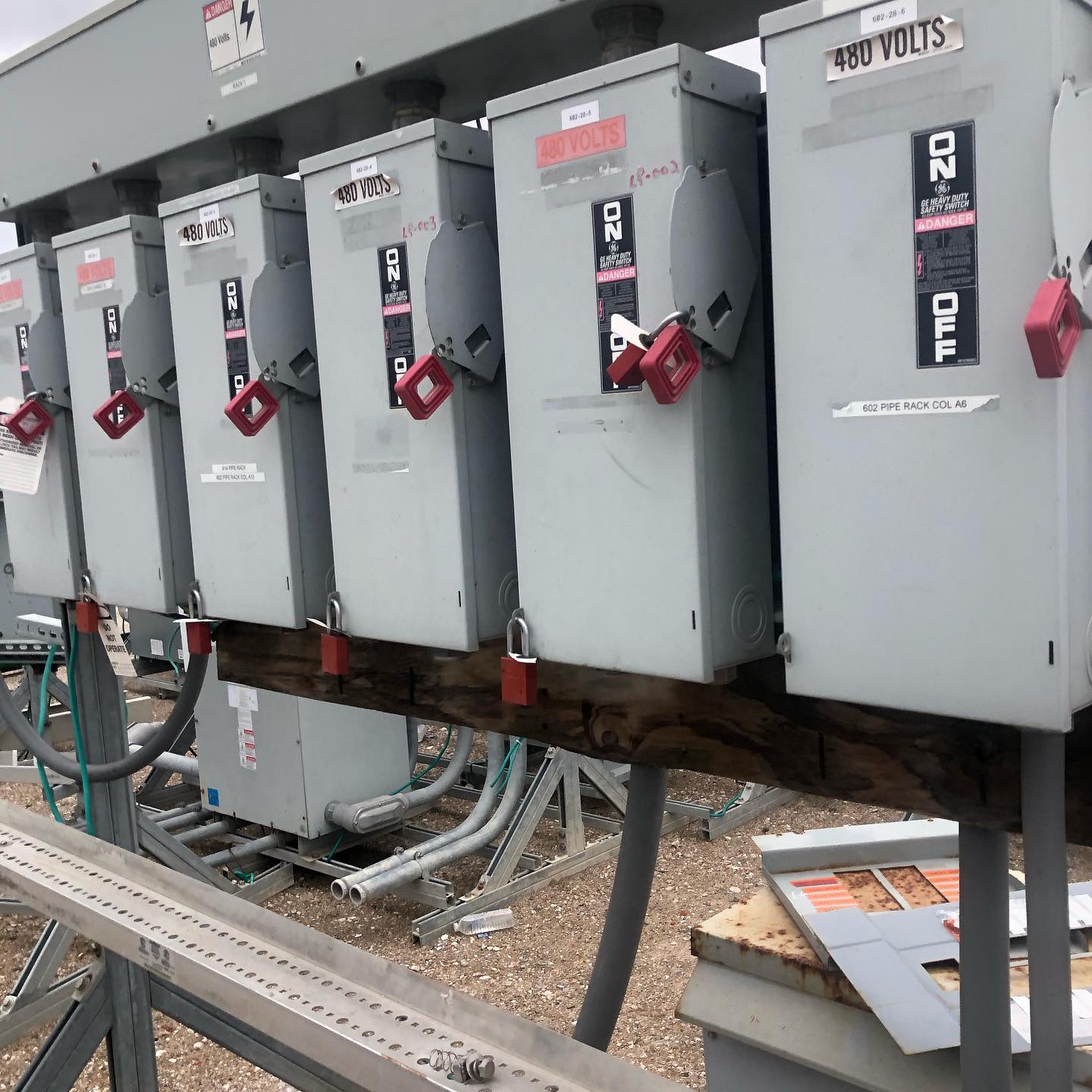
Circuit Breaker Oil Disposal In Nebraska
Call (281) 501-3405 | Industrial Surplus Inc.
Retiring oil-filled electrical equipment requires more than arranging a pickup. Before a circuit breaker is moved, its condition, insulating fluid, potential contamination, and intended destination need to be considered. Businesses searching for Circuit Breaker Oil Disposal in Nebraska need a practical plan that accounts for environmental responsibilities, safe equipment handling, transportation, and appropriate final disposition.
Industrial Surplus Inc. works with industrial equipment and surplus assets. If your organization is replacing aging electrical equipment, clearing stored inventory, preparing for a facility upgrade, or evaluating retired circuit breakers, our team can discuss your equipment-related requirements and help clarify the next steps.
Useful information to gather includes the number of breakers, manufacturer and model details, equipment condition, site location, and any existing records identifying the oil. Call (281) 501-3405 or use the online request a quote page to begin your inquiry.
Understanding Circuit Breaker Oil Disposal In Nebraska
Oil-filled circuit breakers are used in certain electrical distribution systems. Their insulating fluid helps provide electrical insulation and, depending on the design, supports the interruption of electrical current. These units may be found in older substations, industrial facilities, utility installations, and other locations where electrical equipment has remained in service for many years.
When a breaker reaches the end of its useful life, the oil and associated components should be evaluated before a disposal or recovery method is selected. The correct approach depends on the type of fluid, possible contamination, equipment condition, quantity, and applicable regulations. A unit that looks intact does not necessarily contain uncontaminated oil, and appearance alone cannot establish the fluid’s chemical composition.
For organizations in Nebraska, an early review can help identify the information needed before removal or transportation. Manufacturer labels, maintenance records, service history, and qualified testing may help establish whether additional controls are necessary.
It is important to distinguish between managing the oil and managing the breaker itself. The metal enclosure, electrical components, insulating fluid, and any contaminated materials may have different handling or recovery requirements. Treating everything as ordinary scrap without first evaluating the material can create avoidable problems.
Why Proper Oil Identification Matters
Insulating oil can remain inside a breaker after it has been disconnected. Over time, seals, valves, and housings may deteriorate, creating a risk of leakage during storage or movement. If the fluid contains regulated contaminants, an uncontrolled release may lead to additional cleanup and environmental obligations.
Identification also helps prevent incompatible materials from being mixed. Unknown electrical oil should not automatically be combined with ordinary used oil or transferred into a shared container. Mixing fluids with different contamination levels can complicate analysis, material classification, and disposal arrangements.
Begin by reviewing the equipment records and noting any visible leaks, damaged housings, missing labels, or signs of previous repairs. Do not open the breaker or disturb its contents just to obtain information. If the fluid’s identity remains uncertain, consult a qualified environmental professional about appropriate sampling and analysis.
Personnel should not drain oil, collect samples, or dismantle electrical equipment unless they are qualified and authorized to do so using suitable safety procedures. If a leak has already occurred, follow the site’s spill-response plan, keep unauthorized people away, and seek appropriate environmental and electrical assistance.
PCB Concerns In Older Circuit Breakers
Polychlorinated biphenyls, commonly called PCBs, were historically used in some electrical equipment because of their insulating properties. These chemicals are persistent environmental contaminants, and exposure can present health risks. Federal restrictions changed how PCB-containing materials are manufactured and managed, but older equipment may still require evaluation when it is retired.
The equipment’s age can provide useful background, but it should not be treated as definitive proof of the fluid’s composition. A circuit breaker may have been repaired or refilled during its operating life. Manufacturer documentation, service records, labels, and qualified testing can help determine what is present now.
When PCB contamination is suspected, the responsible parties should establish whether existing documentation is sufficient or whether testing is needed. Sampling should be performed using appropriate procedures by qualified personnel. If a project includes multiple units, identify each breaker and keep its records and test results associated with the correct equipment.
The U.S. Environmental Protection Agency provides information about PCB management and used-oil contamination. Review the EPA guidance on preventing and detecting PCB contamination in used oil when planning a project involving unidentified electrical fluids.
Once the available information has been reviewed, the project team can determine which handling, transportation, and disposal arrangements are appropriate. Requirements should be confirmed for the actual material rather than assumed from the age or appearance of the breaker.

Federal And Nebraska Disposal Requirements
The rules governing circuit breaker oil disposal depend on the material and the work being performed. PCB-containing electrical oil may be subject to federal requirements under the Toxic Substances Control Act and EPA regulations. Other insulating fluids and industrial wastes may be subject to different requirements depending on their characteristics and proposed management method.
There is no single disposal procedure that automatically applies to every oil-filled circuit breaker. PCB concentration, equipment classification, storage conditions, transportation arrangements, and the receiving facility can affect the applicable requirements. Depending on the circumstances, labeling, recordkeeping, containment, spill response, and final disposition documentation may also need to be addressed.
Before authorizing work, confirm the federal, state, and local requirements that apply to the equipment. The receiving facility should also confirm whether it accepts the material and what preparation or documentation is necessary. Where the project involves suspected contamination, a large quantity of oil, or an existing release, qualified environmental compliance assistance may be appropriate.
The EPA’s PCB information and regulatory resources provide a starting point for understanding federal requirements. They are not a substitute for a project-specific determination. The responsible parties should verify current rules and any additional requirements before moving the material.
Industrial Surplus Inc. can discuss industrial equipment and surplus requirements related to your project. Specialized oil removal, laboratory testing, hazardous-material transportation, permits, and regulated disposal services should be confirmed with the qualified parties responsible for carrying out those activities.
Planning A Circuit Breaker Removal Project
A well-organized project begins with an accurate inventory. Record the number of breakers, whether they remain installed or have already been removed, and whether any units show signs of damage or leakage. Include manufacturer details, model and serial numbers, approximate age, and nameplate information where available.
Photographs can make an initial equipment discussion more productive. Clear images of the exterior and identification labels can help establish the equipment type. Photographs should be taken only when it is safe to do so; they cannot establish that oil is uncontaminated or prove that equipment is safe to handle.
Next, determine the scope of the work. One project may focus on the insulating fluid and its final disposition. Another may involve electrical disconnection, breaker replacement, switchgear removal, transportation, surplus recovery, or a broader facility cleanout. These activities have different requirements and should be identified separately when requesting a quote.
Ask prospective providers which tasks they perform and which require another contractor or receiving facility. Clarify responsibility for sampling, material characterization, packaging, loading, transportation, cleanup, and final records. Written scope details help avoid misunderstandings about what a quoted price includes.
For equipment-related inquiries, visit the Industrial Surplus Inc. services page or contact the team to describe your requirements and determine whether the requested work matches the services available.
What Affects Circuit Breaker Oil Disposal Costs?
The cost of a circuit breaker oil disposal project depends on the equipment, material, site, and work required. A single unit in accessible storage may involve a different scope from several breakers that remain installed at an operating facility. Testing and documentation can also influence the overall cost.
- Equipment quantity: The number of units affects labor, handling, transport, and scheduling.
- Fluid identification: Unknown oil or suspected PCB contamination may require additional evaluation or laboratory testing.
- Equipment condition: Leaking, damaged, incomplete, or difficult-to-access units may need additional precautions.
- Site access: Restricted work areas, lifting requirements, electrical isolation, and loading arrangements can affect project planning.
- Transportation: Distance, packaging, equipment dimensions, and material-specific requirements can influence costs.
- Receiving facility: Acceptance criteria and treatment, recycling, or disposal charges vary according to the material and facility.
- Documentation: Sampling records, waste profiles, manifests where required, and other compliance-related tasks may add to the scope.
- Additional assets: Related switchgear or other surplus equipment may require a separate evaluation.
To help establish the scope, provide the equipment count, site location, photographs, available test results, and a description of the work you need evaluated. If laboratory reports are available, identify which units they cover. Clear information helps the responsible parties determine what further assessment may be needed before pricing and scheduling can be finalized.
Equipment Recovery And Replacement Considerations
When an older circuit breaker is retired, the owner may also need replacement equipment, removal of associated switchgear, or an assessment of other surplus assets. These decisions can be considered alongside the disposal project, but they should remain separate from obligations associated with regulated oil or contaminated components.
Equipment that appears reusable still needs an appropriate assessment of its condition, specifications, and intended application. Removing the oil does not automatically make every component suitable for resale or recycling. Contamination status, applicable restrictions, and the receiving facility’s acceptance criteria can affect recovery options.
Industrial Surplus Inc. operates in the industrial surplus equipment market. If your project includes equipment beyond the oil itself, prepare an inventory of the retired assets and explain whether you need an equipment assessment, replacement options, surplus recovery, or a broader cleanout discussion.
You can browse the industrial equipment store for available inventory or review the mining equipment page if your wider project includes equipment in that category. Confirm availability and suitability directly rather than assuming a particular item is in stock.
Separating equipment recovery from regulated-fluid management can make project planning clearer. The team can identify which components might be candidates for reuse, which materials require controlled handling, and which tasks must be completed before the site can be cleared.
Preparing Equipment For Evaluation In Nebraska
Oil-filled electrical equipment may be encountered during industrial maintenance, facility modernization, utility upgrades, plant shutdowns, and the retirement of aging infrastructure. A single disconnected breaker can present different logistical needs from a group of units that remain installed in an operating facility.
Location can affect access, transportation, scheduling, and coordination with local contractors. A site with limited loading space may require a different plan from a warehouse where equipment is already safely staged. Distance to a qualified receiving facility and that facility’s acceptance requirements may also influence the sequence of work.
When contacting Industrial Surplus Inc., explain where the equipment is located and whether it is installed, disconnected, stored, or leaking. State whether your immediate priority is to review the equipment, arrange a replacement, assess surplus assets, or coordinate a broader project. Mention known contamination concerns and do not ship unidentified oil until the receiving party and handling requirements have been confirmed.
Before moving equipment, ensure that electrical hazards have been addressed by qualified personnel and that appropriate containment and handling procedures are in place. If environmental requirements are uncertain, obtain professional guidance before disturbing the oil or potentially contaminated components.
Information To Gather Before Requesting A Quote
Preparing a short project summary can save time during the initial conversation. You do not need every technical detail before making an inquiry, but the information already available can help identify what still needs to be verified.
- List the number of circuit breakers and any related equipment included in the project.
- Record manufacturer names, model numbers, serial numbers, and nameplate information where accessible.
- Describe the condition of each unit and note visible oil leaks or damaged components.
- Gather equipment records, maintenance history, fluid test results, and other relevant documents.
- Identify the site location and any access, lifting, loading, or scheduling restrictions.
- Explain whether the equipment remains installed or has already been disconnected and stored.
- Specify whether you need oil-management guidance, disposal coordination, replacement equipment, or surplus evaluation.
- Ask which services are included in the quote and which responsibilities remain with the owner or another contractor.
Do not drain equipment or collect samples without appropriate qualifications, authorization, and safety procedures. If the unit is energized or its electrical status is unknown, leave the work to qualified electrical personnel. Potentially contaminated materials should be handled through a process established for the specific circumstances.
Once the details are assembled, call (281) 501-3405 or submit the information through the online quote request page. The team can discuss your equipment-related needs and help clarify the next steps.
Frequently Asked Questions About Circuit Breaker Oil Disposal In Nebraska
1. What Is Circuit Breaker Oil Disposal?
Circuit breaker oil disposal involves managing insulating fluid from an oil-filled electrical breaker and determining an appropriate route for the oil and associated equipment. The process depends on the fluid’s composition, contamination status, equipment condition, and applicable requirements.
2. Why Must Circuit Breaker Oil Be Identified Before Disposal?
Different insulating fluids may have different handling and disposal requirements. Identifying the material helps determine whether testing, specialized containment, controlled transportation, or a particular receiving facility is needed.
3. Can Oil-Filled Circuit Breakers Contain PCBs?
Some older electrical equipment may contain PCB-contaminated insulating fluid. Equipment records and service history can provide useful information, but qualified testing may be needed when the fluid’s composition remains uncertain.
4. Is Every Oil-Filled Circuit Breaker Classified As Hazardous Waste?
No single classification applies automatically to every unit. The appropriate determination depends on the actual material, its characteristics, and the applicable federal and state rules. A qualified professional should evaluate the specific circumstances.
5. What Information Should I Provide When Requesting Circuit Breaker Oil Disposal In Nebraska?
Provide the site location, number of units, manufacturer and model details, visible condition, available fluid test results, and the assistance you need. Photographs and maintenance records can help establish the initial project scope.
6. Does Circuit Breaker Oil Need Laboratory Testing?
Testing depends on the available documentation, equipment history, applicable requirements, and proposed management method. A qualified professional can advise whether sampling and laboratory analysis are appropriate.
7. Can I Drain Circuit Breaker Oil Myself?
Draining oil can expose people to electrical, chemical, and environmental hazards. Do not attempt it unless you are qualified, authorized, and equipped to follow appropriate procedures for the equipment and fluid involved.
8. What Should I Do If A Circuit Breaker Is Leaking Oil?
Follow the site’s safety and spill-response procedures, keep unauthorized personnel away, and avoid direct contact with the fluid. Contact qualified electrical and environmental professionals to assess the situation and determine the appropriate response.
9. What Regulations May Apply To PCB-Contaminated Oil?
PCB-containing materials may be subject to federal requirements under the Toxic Substances Control Act and EPA regulations. Specific obligations depend on the material and the handling, storage, transportation, and disposal activities involved.
10. Are There Nebraska-Specific Requirements?
Federal requirements may apply alongside relevant state and local rules. Confirm current requirements, receiving-facility criteria, and necessary records for the actual project before arranging removal or transportation.
11. How Much Does Circuit Breaker Oil Disposal Cost?
Costs depend on equipment quantity, testing, condition, site access, containment, transportation, receiving-facility charges, and the services included. A project-specific quote is more useful than a general price for all circuit breakers.
12. Can Multiple Circuit Breakers Be Included In One Project?
Multiple units can be evaluated as part of a larger project. Each unit’s condition and available fluid information should be recorded because differences in equipment history or suspected contamination may affect handling requirements.
13. Can Circuit Breakers Be Recycled After Oil Removal?
Recycling or recovery depends on the equipment, contamination status, applicable restrictions, and receiving-facility requirements. Oil removal alone does not establish that every component can be reused or recycled.
14. Can Industrial Surplus Inc. Discuss Replacement Equipment?
Industrial Surplus Inc. works in the industrial surplus equipment market. Contact the team with your breaker specifications and replacement needs to discuss whether suitable equipment options may be available.
15. Does Industrial Surplus Inc. Provide On-Site Oil Removal?
On-site oil removal must be confirmed as a specific service before scheduling. Explain the equipment type, location, and work required so the team can clarify availability or whether a specialized contractor is needed.
16. How Long Does Circuit Breaker Oil Disposal Take?
Timing depends on the number of units, testing needs, site access, transportation, equipment condition, and receiving-facility availability. Confirm the schedule after the project scope and requirements have been reviewed.
17. What Documentation Should I Retain?
Keep relevant equipment records, test results, waste determinations, approvals, transportation documents, receipts, and final disposition records as applicable. Ask the responsible providers which documents they will supply and which records the owner must retain.
18. Can Oil From Different Circuit Breakers Be Combined?
Do not combine unidentified fluids for convenience. Different or unknown contamination levels can complicate material classification and disposal. Obtain qualified guidance before transferring or mixing electrical oils.
19. Can I Request A Quote Before A Site Visit?
An initial review may be possible using photographs, equipment details, available records, and a site description. Whether this information is sufficient for a firm quote depends on the project and whether further inspection or testing is required.
20. How Do I Get Started With Circuit Breaker Oil Disposal In Nebraska?
Call Industrial Surplus Inc. at (281) 501-3405 or use the online quote request page. Share the equipment count, site location, available oil information, and type of assistance required to begin the discussion.
 Oil Transformer Disposal in California


