Demolition Services in Indiana for Commercial and Industrial Properties
Call (281) 501-3405 | Industrial Surplus Inc.
Industrial Demolition Planning, Facility Decommissioning, and Equipment Recovery
When an industrial facility closes, a manufacturing plant undergoes modernization, or a commercial property is prepared for redevelopment, demolition requires more than removing the existing structure. Machinery, electrical systems, utilities, structural components, and potentially valuable industrial equipment must be considered before work begins. For businesses researching Demolition Services in Indiana, Industrial Surplus Inc. provides a direct contact point for discussing demolition-related projects and industrial asset recovery opportunities.
Indiana has a long history of manufacturing, steel production, automotive assembly, agriculture, and industrial transportation. These industries operate facilities that may require partial dismantling, interior demolition, structural removal, or complete redevelopment as business requirements change.
Before a building is demolished, owners should determine which equipment can be retained, sold, relocated, or evaluated for potential resale. Industrial machinery and electrical components may have value independent of the building, particularly when they remain identifiable and complete.
Industrial Surplus Inc. works with industrial surplus and equipment purchasing inquiries. If your Indiana project involves manufacturing equipment, electrical distribution systems, machinery, or other industrial assets, our team can review the information you submit and discuss whether purchasing opportunities or other project-related arrangements are available.
Call (281) 501-3405, visit our contact page, or submit your project information through our request a quote form.
Demolition Services in Indiana for Industrial and Commercial Redevelopment
Industrial and commercial properties throughout Indiana serve different purposes, from automotive production and steel processing to warehousing, food manufacturing, and agricultural operations. Each type of property presents distinct demolition challenges.
A manufacturing facility may contain heavy production equipment, elevated platforms, mechanical systems, and electrical distribution infrastructure. A commercial building may require selective interior removal while retaining its structural frame. An older industrial warehouse may need complete removal before a new development can proceed.
These differences make early project planning essential. Property owners should define what must be removed, what must remain, and which materials or equipment require separate handling.
Businesses throughout Indiana may contact Industrial Surplus Inc. regarding surplus equipment associated with facility closures, building modernization, and demolition-related projects.
Properties That May Require Demolition Planning
- Automotive Manufacturing Plants: Facilities changing production systems, replacing equipment, or reorganizing industrial space.
- Steel and Metal Processing Facilities: Industrial properties containing heavy machinery, electrical equipment, and specialized structures.
- Manufacturing Warehouses: Buildings being cleared, renovated, or repurposed for different operations.
- Distribution Centers: Logistics properties undergoing expansion, relocation, or redevelopment.
- Food Processing Facilities: Industrial buildings containing processing equipment, refrigeration systems, and production infrastructure.
- Commercial Properties: Retail buildings, offices, and other facilities scheduled for renovation or removal.
- Agricultural Processing Operations: Structures and equipment associated with grain handling, food production, and related industries.
- Industrial Storage Properties: Facilities containing unused machinery, electrical equipment, and other surplus assets.
- Institutional and Municipal Buildings: Properties undergoing major renovation, replacement, or redevelopment.
Every property requires an individual evaluation. The demolition requirements for a steel processing facility differ significantly from those of a small commercial building.
Understanding the Different Types of Demolition Services in Indiana
Demolition projects vary in scope, complexity, and the methods required to complete them. Understanding the available approaches helps property owners establish clear expectations before selecting contractors or planning equipment removal.
Commercial Building Demolition
Commercial demolition involves removing all or part of a structure used for business purposes. Projects may include retail buildings, offices, warehouses, hospitality properties, and other commercial facilities.
Important considerations include structural conditions, surrounding properties, access restrictions, utility connections, permits, and the intended future use of the site.
Industrial Facility Demolition
Industrial demolition can involve complex buildings containing manufacturing machinery, electrical distribution equipment, mechanical systems, storage infrastructure, and specialized installations.
These projects often require coordination among property owners, engineers, qualified contractors, equipment specialists, and other parties responsible for site operations.
Before demolition begins, potentially marketable machinery should be identified so that purchasing or relocation opportunities can be evaluated.
Selective Demolition
Selective demolition focuses on removing specific sections of a building while preserving designated structural elements or surrounding areas. This method is commonly considered during renovations and facility reconfigurations.
Careful planning is necessary when retained building components depend on the structural elements being removed.
Interior Demolition
Interior demolition may involve removing partitions, ceilings, fixtures, finishes, and designated building systems while preserving the main structure.
Commercial property owners may consider this approach when preparing a building for a new tenant or changing the layout of an existing facility.
Structural Dismantling
Structural dismantling involves the controlled removal of specific structural components or assemblies. The method must account for stability, load paths, access, surrounding structures, and the sequence of removal.
Qualified professionals should determine the appropriate procedures for each project.
Industrial Equipment Removal and Asset Recovery
Equipment removal is often an important part of industrial facility decommissioning. Machinery, electrical systems, and production components may require separate evaluation before they are dismantled or discarded.
Industrial Surplus Inc. welcomes inquiries about qualifying industrial equipment through our Sell to Us page. Purchasing interest and any transportation or removal responsibilities must be confirmed individually.
Why Early Demolition Planning Matters for Indiana Businesses
Industrial demolition projects can become more complicated when critical information is missing. Unknown utility connections, undocumented structural modifications, restricted access, and unclear equipment ownership may affect the work.
Early planning provides an opportunity to identify these issues before demolition activities begin.
Questions to Address Before Starting a Demolition Project
- Which buildings or structural components must be removed?
- Will any part of the facility remain operational?
- What is known about the building’s structural condition?
- Are electrical, gas, water, or other utility systems still connected?
- Does the property contain machinery or electrical equipment that may have resale value?
- Are environmental assessments or hazardous-material surveys necessary?
- What permits and approvals apply to the project?
- How will demolition debris and recoverable equipment be separated?
- What transportation and equipment access is available?
- What condition must the property be left in after completion?
Documenting these requirements helps property owners communicate their expectations and compare proposals more effectively.
Industrial Asset Recovery During Demolition Services in Indiana
One of the most important opportunities during industrial demolition planning is identifying machinery and equipment that may retain commercial value.
Manufacturing facilities often contain assets that are no longer needed by the original owner but may still be useful in other industrial applications. When equipment remains complete and identifiable, it may be suitable for purchasing consideration.
However, demolition can damage machinery, destroy identification labels, and separate components that belong together. An early inventory helps preserve the information needed for a potential sale.
Industrial Equipment That May Be Evaluated for Purchase
- Manufacturing and production machinery
- Industrial motors and drive systems
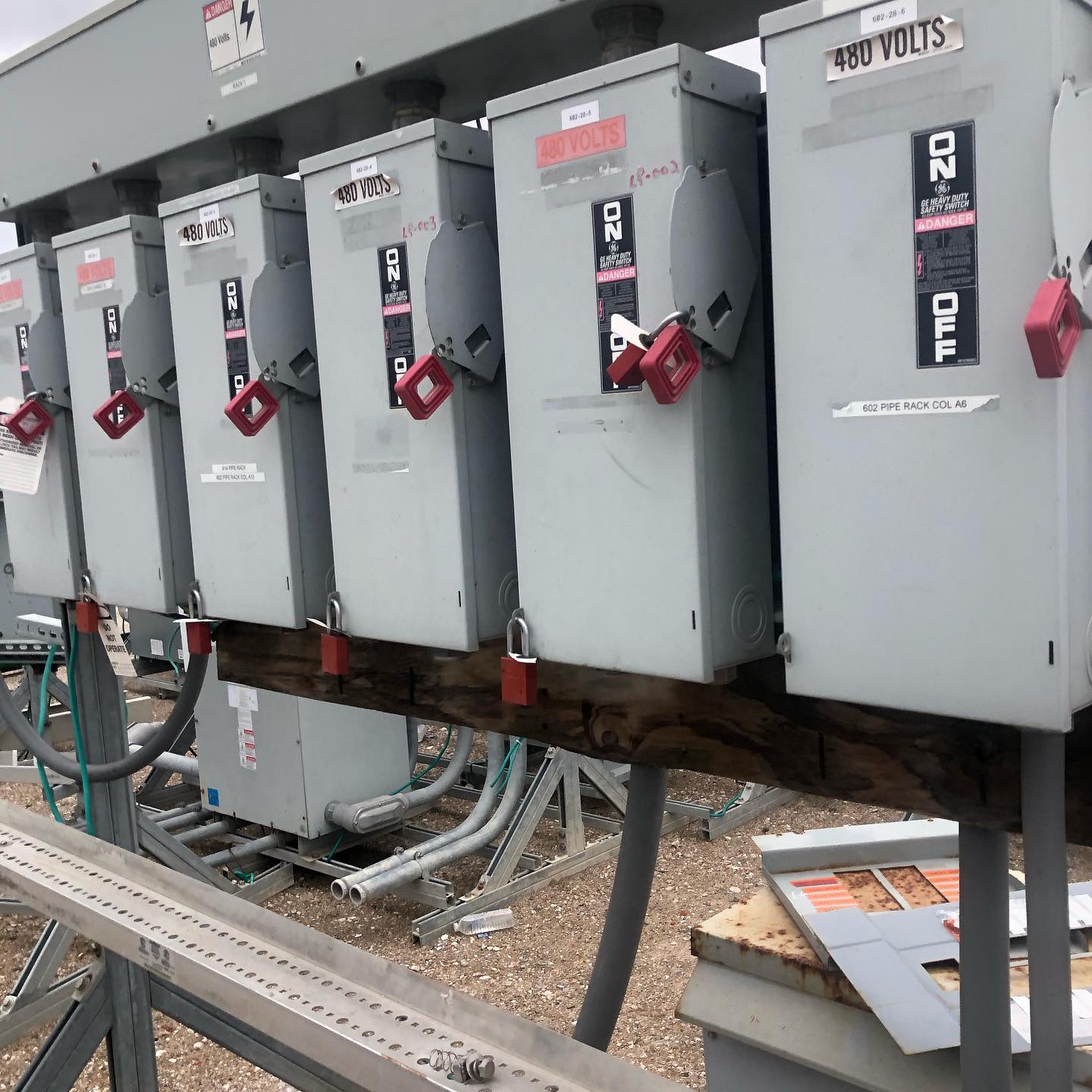
- Electrical switchgear and circuit breakers
- Transformers and distribution equipment
- Motor control centers and control panels
- Conveyors and material-handling systems
- Industrial pumps and compressors
- Processing and packaging machinery
- Warehouse and manufacturing equipment
- Other identifiable industrial surplus assets
Purchasing interest depends on the manufacturer’s specifications, equipment condition, completeness, current demand, ownership, and the practical costs of handling the transaction.
Submit photographs and equipment details through our request a quote page before assuming that machinery or electrical components will generate resale proceeds.

Discuss Demolition Services in Indiana and Industrial Equipment Recovery
Call (281) 501-3405 | Industrial Surplus Inc.
How to Prepare an Indiana Industrial Property for Demolition
Industrial demolition preparation begins with understanding the facility’s construction, operating history, equipment, and intended future use. A clear plan helps identify responsibilities before physical work begins.
Step 1: Define the Demolition Scope
Identify the buildings, structures, interior areas, and equipment included in the proposed project. Determine whether the work involves complete removal, selective demolition, interior renovation, or facility decommissioning.
Establish which portions of the property must remain and whether nearby operations will continue.
Step 2: Gather Property and Equipment Records
Collect available building plans, utility diagrams, machinery inventories, maintenance records, and previous inspection reports.
Older facilities may have undergone modifications that are not fully reflected in the original drawings. Qualified professionals should determine whether additional assessments are necessary.
Step 3: Identify Machinery With Potential Resale Value
Before equipment is dismantled, record its manufacturer, model number, serial number, condition, and location within the facility.
Photograph complete assemblies and keep related accessories together whenever possible. Separate potentially marketable assets from materials intended for disposal.
Step 4: Establish Utility Disconnection Responsibilities
Electrical, gas, water, telecommunications, and other services must be addressed through the appropriate utility providers and qualified personnel.
Vacant buildings and unused machinery should not be assumed to be de-energized or safe to dismantle.
Step 5: Determine Permitting and Environmental Requirements
Applicable requirements depend on the municipality, structure, project scope, and site conditions. Local authorities and qualified specialists should be consulted to establish the necessary approvals and assessments.
Step 6: Plan Equipment and Debris Handling
Determine how machinery, structural materials, scrap, and other debris will be separated, staged, transported, recycled, or disposed of.
Identify loading areas, transportation routes, equipment requirements, and storage locations for retained assets.
Step 7: Confirm the Final Site Condition
Clarify whether the project includes foundation removal, underground structures, utility abandonment, grading, or preparation for new construction.
These requirements should be documented rather than assumed.
Demolition Planning for Indiana Automotive Manufacturing Facilities
Indiana has a significant automotive manufacturing presence, including vehicle assembly operations, component suppliers, metal fabrication businesses, and facilities supporting industrial production.
As manufacturers modernize production lines or change equipment requirements, existing machinery and electrical systems may become surplus.
Before a production area is dismantled, facility managers should identify equipment that can be removed independently of the surrounding building. Machinery may have specialized electrical, mechanical, and structural connections that require qualified personnel to address.
Industrial Surplus Inc. can review inquiries concerning potentially marketable equipment associated with these projects. Any purchasing arrangements should be confirmed before machinery is dismantled or transferred.
Steel Mill and Metal Processing Facility Demolition in Indiana
Steel production and metal processing are important parts of Indiana’s industrial economy, particularly in the northwest region near Lake Michigan.
Facilities associated with these industries may contain heavy machinery, industrial electrical systems, conveyors, processing equipment, and specialized structural installations.
Demolition planning for these properties may require careful consideration of equipment weight, structural connections, operating history, contamination, and site access.
Before equipment is removed, property owners should determine whether any machinery or electrical components have potential resale value.
Industrial Surplus Inc. welcomes inquiries about qualifying industrial equipment. Detailed photographs, manufacturer information, and accurate condition descriptions are useful during the purchasing review.
Warehouse and Distribution Center Demolition in Indiana
Indiana’s central location and interstate transportation network support extensive warehousing, distribution, and logistics operations.
Facilities around Indianapolis, Fort Wayne, South Bend, and other transportation corridors may undergo renovation, expansion, or redevelopment as business requirements change.
Warehouse demolition planning can involve loading docks, storage systems, electrical infrastructure, mechanical equipment, and material-handling components.
Before removing equipment, property owners should confirm whether the assets belong to the building owner, a tenant, or another party.
Surplus machinery and electrical equipment should be documented separately from ordinary building debris to preserve potential purchasing opportunities.
Demolition Considerations for Indiana Food Processing Facilities
Indiana’s agricultural and food manufacturing industries operate facilities containing processing machinery, refrigeration equipment, storage systems, and industrial electrical installations.
When these properties are modernized or replaced, demolition planning may involve specialized equipment and building systems.
Equipment condition should be documented carefully. Moisture, cleaning chemicals, temperature changes, and operational wear may influence resale potential.
Facility managers should distinguish between equipment suitable for purchasing review and materials requiring specialized handling or disposal.
Potential industrial surplus inquiries can be submitted through our Sell to Us page.
Commercial Demolition and Redevelopment in Indianapolis
Indianapolis contains a diverse mix of commercial properties, industrial buildings, distribution centers, and institutional facilities.
As neighborhoods and business districts change, some properties undergo interior renovation while others are prepared for complete redevelopment.
Commercial demolition planning should account for surrounding buildings, utility connections, access limitations, traffic considerations, and the intended future use of the property.
Older buildings may also contain equipment or materials that require separate evaluation before removal.
Property owners should establish the scope of work and obtain the appropriate professional assessments before scheduling demolition activities.
Industrial Redevelopment in Northwest Indiana
Northwest Indiana has a long industrial history associated with steel production, manufacturing, transportation, and logistics.
Industrial properties in this region may contain older structures, heavy machinery, electrical infrastructure, and equipment installed during multiple phases of facility expansion.
When a property is being decommissioned or redeveloped, identifying the equipment’s ownership, condition, and removal requirements can be particularly important.
Machinery should not be assumed to have resale value simply because it is large or specialized. Manufacturer details, operating history, completeness, and demand all influence purchasing interest.
Industrial Surplus Inc. can review qualifying equipment inquiries associated with these projects.
Demolition Planning for Older Indiana Manufacturing Buildings
Older manufacturing properties may have undergone decades of structural changes, machinery installations, and electrical modifications.
These changes can complicate demolition planning when building records are incomplete or equipment connections are difficult to identify.
Qualified professionals should evaluate structural conditions and determine whether additional investigations are necessary before removal begins.
Property owners should also confirm the ownership of machinery and equipment before authorizing disposal or resale.
Documenting existing conditions early helps reduce uncertainty and supports more accurate project discussions.
Winter Weather and Demolition Planning in Indiana
Indiana experiences seasonal weather conditions that can affect outdoor construction and demolition activities.
Snow, ice, freezing temperatures, and changing ground conditions may influence site access, equipment movement, material handling, and scheduling.
Winter conditions do not automatically prevent demolition, but they should be considered when establishing a project plan.
Equipment stored outdoors may also be exposed to moisture, corrosion, and temperature changes. These conditions can influence the marketability of industrial machinery and electrical components.
When submitting equipment for purchasing review, disclose known storage conditions and visible deterioration.
Selective Demolition Versus Complete Building Removal
Not every aging industrial property requires complete demolition. Some buildings may be suitable for selective removal when the primary structure remains useful and the owner intends to change the facility’s layout.
Selective demolition may involve removing designated walls, equipment foundations, interior systems, or structural components while preserving other areas.
Complete demolition may be appropriate when the existing building is being replaced or when redevelopment requires the site to be cleared.
The appropriate choice depends on engineering considerations, property objectives, site conditions, and project costs.
Neither method should be selected solely on the assumption that it will always be faster or less expensive.
How Much Do Demolition Services in Indiana Cost?
Demolition pricing depends on the structure, project scope, location, and site conditions. A small commercial interior project may require very different equipment and planning from dismantling a large industrial manufacturing facility.
Factors That Influence Demolition Costs
- Building Size: Larger structures generally involve more material and equipment handling.
- Construction Type: Steel, concrete, masonry, wood, and mixed construction may require different methods.
- Structural Condition: Deteriorated or unstable structures can require additional precautions.
- Site Access: Restricted entrances and limited staging areas may complicate work.
- Neighboring Properties: Nearby buildings and active businesses may affect project planning.
- Utility Requirements: Existing services must be addressed before demolition.
- Environmental Conditions: Regulated materials may require specialized assessment and handling.
- Debris Volume: Transportation, recycling, and disposal requirements influence costs.
- Permit Requirements: Local approvals and inspections vary by jurisdiction.
- Final Site Condition: Foundation removal, grading, and restoration may be separate project components.
Industrial asset recovery may influence the overall project economics, but potential equipment resale proceeds should not be assumed before purchasing interest and transaction terms are confirmed.
Can Industrial Equipment Recovery Help Offset Demolition Expenses?
Some Indiana industrial properties contain machinery and electrical equipment that may have resale potential.
Identifying these assets before demolition begins can help preserve the opportunity for a separate equipment transaction.
For example, complete industrial electrical equipment, motors, control systems, and identifiable production machinery may warrant evaluation when they are no longer needed by the facility.
However, potential value depends on equipment condition, specifications, market demand, accessibility, and transaction costs.
Submit an inventory with photographs and manufacturer information through our request a quote form to determine whether purchasing interest exists.
Safety and Environmental Responsibilities During Demolition
Demolition activities can expose workers and surrounding properties to structural instability, falling materials, dust, heavy machinery, energized utilities, and regulated substances.
Property owners should verify that the contractors and specialists performing the work have the qualifications, licensing, insurance, and authorizations applicable to the specific activities and jurisdiction.
Potential asbestos-containing materials, lead-based coatings, contaminated equipment, and other regulated substances may require assessment and handling by appropriately qualified professionals.
For general background, demolition includes several methods of dismantling or removing structures. Actual project procedures must be based on site-specific conditions and applicable requirements.
Do not assume that Industrial Surplus Inc. provides hazardous-material remediation, permitting, utility disconnection, or specialized demolition activities unless those responsibilities have been expressly confirmed.
Indiana Cities and Regions With Demolition-Related Project Needs
Commercial redevelopment and industrial facility changes occur throughout Indiana. Property owners may contact Industrial Surplus Inc. about demolition-related equipment and surplus inquiries from Indianapolis, Fort Wayne, Evansville, South Bend, Mishawaka, Elkhart, Goshen, Gary, Hammond, East Chicago, Merrillville, Valparaiso, Portage, Michigan City, Lafayette, West Lafayette, Kokomo, Anderson, Muncie, Terre Haute, Bloomington, Columbus, Greenwood, Carmel, Fishers, Noblesville, Plainfield, Avon, Richmond, New Albany, Jeffersonville, and other Indiana communities.
These locations represent potential project markets rather than confirmed local offices or guaranteed demolition service coverage. Availability of specific services, purchasing opportunities, and transportation arrangements must be established individually.
How to Request Information About an Indiana Demolition Project
Before contacting Industrial Surplus Inc., gather a clear description of the property and any industrial equipment involved.
An organized inquiry makes it easier to distinguish demolition-related requirements from potential equipment purchasing opportunities.
Information to Include With Your Project Inquiry
- Indiana city and general property location
- Type of commercial or industrial facility
- Approximate building size and construction materials
- Whether complete or selective demolition is being considered
- Current occupancy and operational conditions
- Known structural or environmental concerns
- Available photographs and property plans
- Industrial machinery and equipment potentially available for resale
- Ownership and authorization information
- Expected project timeline and important deadlines
For machinery or electrical equipment, include manufacturer names, model numbers, quantities, condition details, and photographs whenever possible.
Related Industrial Surplus and Equipment Purchasing Services
Facility closures and redevelopment projects often involve more than building demolition. Businesses may need to evaluate machinery, liquidate unused inventory, identify buyers for electrical equipment, or organize assets before clearing the property.
Industrial Surplus Inc. provides information about its broader offerings through the services page. You can also browse the industrial equipment store for additional context about the types of assets associated with the business.
Separating equipment purchasing decisions from the physical demolition scope helps establish clearer responsibilities and may prevent marketable assets from being unnecessarily damaged.

Discuss Your Demolition Services in Indiana Project
Call (281) 501-3405 | Industrial Surplus Inc.
Why Contact Industrial Surplus Inc. About Your Indiana Property?
When a commercial or industrial facility is scheduled for demolition, decisions about machinery and electrical equipment can affect the project before structural removal begins.
Industrial Surplus Inc. provides a direct contact point for businesses interested in discussing potentially marketable industrial assets associated with facility closures, equipment upgrades, and demolition-related projects.
By identifying machinery and electrical equipment before dismantling begins, property owners can explore purchasing opportunities while equipment identification and condition information remain available.
Not every project or asset will qualify for a transaction. However, accurate inventory information helps determine whether further discussion is appropriate.
Learn more about the company on our About Us page or visit the Industrial Surplus World homepage.
Contact Industrial Surplus Inc. About Demolition Services in Indiana
If your Indiana business is planning a facility closure, commercial redevelopment, industrial building removal, or major property renovation, begin by documenting the project and identifying any machinery or equipment that may have resale potential.
Industrial Surplus Inc. welcomes inquiries about industrial surplus associated with demolition-related projects. Provide the property location, proposed scope, equipment inventory, photographs, and relevant deadlines so the next steps can be discussed.
Call (281) 501-3405, visit our request a quote page, or contact Industrial Surplus Inc. online to discuss your Indiana project.
Specific demolition capabilities, contractor arrangements, equipment purchasing interest, and project responsibilities must be confirmed before work is authorized.
Frequently Asked Questions About Demolition Services in Indiana
What Types of Demolition Services Are Commonly Needed in Indiana?
Common project categories include commercial building demolition, industrial facility demolition, selective dismantling, interior removal, and structural demolition. The appropriate approach depends on the property and project requirements.
Can Industrial Surplus Inc. Help With an Indiana Demolition Project?
Contact Industrial Surplus Inc. to discuss the project and any industrial equipment available for potential recovery or sale. Specific demolition services and related arrangements must be confirmed.
Do Demolition Projects in Indiana Require Permits?
Permit requirements depend on the local jurisdiction, property, structure, and proposed work. Consult the applicable building department and other relevant authorities before beginning demolition.
How Much Do Demolition Services in Indiana Cost?
Costs depend on building size, construction type, structural condition, site access, environmental requirements, debris handling, and the final site condition required.
What Is Selective Demolition?
Selective demolition involves removing designated portions of a structure while preserving other areas or components. It is commonly considered during major renovations and property reconfigurations.
Can Industrial Machinery Be Sold Before Demolition?
Some machinery may have resale potential. Document its manufacturer, model, condition, and ownership, then submit the inventory for purchasing consideration before dismantling begins.
Does Industrial Surplus Inc. Buy Equipment From Facility Closures?
Industrial Surplus Inc. welcomes inquiries about qualifying surplus equipment from facility closures and liquidations. Purchasing interest depends on the specific assets and transaction requirements.
Can Electrical Equipment Be Recovered During Demolition?
Some electrical equipment may warrant resale evaluation. Safe disconnection and removal must be performed by appropriately qualified personnel, and equipment condition must be assessed separately.
Who Handles Utility Disconnections Before Demolition?
Responsibilities must be established among the property owner, relevant utility providers, and qualified contractors. Utility disconnection should not be assumed to be included in an equipment purchasing arrangement.
Are Hazardous Materials a Concern During Indiana Demolition Projects?
Potentially regulated materials may require inspection, assessment, and specialized handling. Property owners should engage appropriately qualified professionals and follow applicable requirements.
Does Industrial Surplus Inc. Remove Asbestos or Lead-Based Materials?
Do not assume these services are included. Contact the company to clarify available project arrangements and engage properly qualified specialists for any required hazardous-material work.
Can Demolition Materials Be Recycled?
Some materials may be suitable for recycling or recovery depending on their composition, condition, contamination, and available processing facilities. Handling arrangements should be established in the project scope.
Can Selling Industrial Equipment Reduce Demolition Expenses?
A confirmed equipment sale may help recover value, but potential proceeds depend on buyer interest, condition, demand, and agreed transaction costs. Savings should not be assumed before terms are established.
How Long Does an Industrial Demolition Project Take?
Project duration depends on building size, complexity, permits, site conditions, environmental requirements, and contractor availability. A reliable schedule requires a project-specific assessment.
Can Demolition Be Performed During Indiana’s Winter Months?
Some projects may proceed during winter, but snow, ice, freezing temperatures, access conditions, and equipment requirements can influence scheduling and safety planning.
Can Part of a Commercial Building Remain During Demolition?
Selective demolition may allow designated areas to remain, but feasibility depends on structural conditions, utilities, access, and safety requirements. Qualified professionals must evaluate the proposed scope.
Do You Offer Concrete Crushing or Site Grading?
Contact Industrial Surplus Inc. to determine whether these services or suitable project arrangements are available. They should not be assumed to be included in an industrial equipment inquiry.
Which Indiana Cities Can Submit Demolition-Related Inquiries?
Businesses in Indianapolis, Fort Wayne, Evansville, South Bend, Gary, Hammond, Lafayette, Bloomington, Terre Haute, Kokomo, Muncie, and other Indiana communities may contact Industrial Surplus Inc. Specific service availability must be confirmed.
What Information Should I Provide for a Demolition Inquiry?
Include the property location, building type, approximate size, proposed work, photographs, project timeline, and any industrial machinery or equipment available for potential resale.
How Do I Contact Industrial Surplus Inc. About Demolition Services in Indiana?
Call (281) 501-3405, submit details through the request a quote page, or use the online contact form.