Circuit Breaker Oil Disposal in North Carolina

Circuit Breaker Oil Disposal in North Carolina
Call (281) 501-3405 | Industrial Surplus Inc.
Retiring an oil-filled circuit breaker requires careful planning, especially when the contents of the equipment have not been fully identified. For industrial facilities, utilities, manufacturers, and other organizations in North Carolina, Circuit Breaker Oil Disposal in North Carolina begins with understanding the equipment, determining what its insulating oil contains, and identifying an appropriate handling and disposal route. These early steps help reduce the risk of spills, prevent improper waste handling, and clarify what documentation may be needed before equipment is moved.
Industrial Surplus Inc. works with surplus industrial equipment. If you have aging oil circuit breakers, retired electrical components, or equipment that may contain polychlorinated biphenyls (PCBs), contact the company to discuss your requirements and confirm which services are available for your particular project. Oil assessment, removal, transportation, recycling, and regulated disposal are distinct activities; the services included in any proposed arrangement should be verified before work is authorized.
Whether you are managing one retired breaker or organizing a larger equipment inventory, a documented plan is preferable to treating every unit as ordinary scrap. The equipment’s condition, oil quantity, PCB status, accessibility, and intended destination can all influence the next steps. A clear understanding of those factors can help you compare options and coordinate the appropriate professionals.
Understanding Oil-Filled Circuit Breakers and Disposal Needs
Oil circuit breakers use insulating oil as part of their electrical design. Depending on the type of equipment, the oil provides electrical insulation and helps manage conditions associated with switching electrical circuits. Oil-filled breakers may be encountered in older substations, industrial facilities, utility infrastructure, and manufacturing environments where electrical equipment has remained in service for many years.
When a breaker becomes obsolete, damaged, or unsuitable for continued operation, its owner must decide how to manage the complete unit and any remaining oil. The correct approach depends on the equipment and the characteristics of the materials involved. A breaker containing known, properly characterized oil may require a different management plan from a unit with missing records, visible leakage, or possible PCB contamination.
For organizations throughout North Carolina, identifying these differences before arranging pickup or disposal can help avoid unnecessary handling and transportation problems. A disposal plan should account for both the physical equipment and its contents rather than relying on the assumption that all oil-filled breakers can be handled in the same way.
Why PCB Status Matters Before Circuit Breaker Oil Disposal
One of the most important questions involving older electrical equipment is whether its insulating oil contains PCBs. Polychlorinated biphenyls are chemical compounds that were used in various industrial applications, including certain electrical products. Because of their persistence and potential health and environmental effects, their use became subject to significant restrictions in the United States. PCB manufacture was generally prohibited under federal law in 1979, but the requirements for existing PCB-containing materials depend on the circumstances and applicable regulations.
The age of a circuit breaker can provide useful historical context, but it does not establish the contents of the oil by itself. Manufacturer documentation, equipment identification plates, maintenance records, historical test results, and appropriate laboratory analysis may help determine the oil’s status. If the available information is incomplete, the equipment should not automatically be classified as either PCB-contaminated or PCB-free.
PCB status can affect storage, handling, transportation, recycling, and disposal requirements. Those requirements may vary with the concentration, the type of material, and the activity being performed. Owners should confirm which federal and state requirements apply to their specific equipment before deciding how it will be drained, transported, processed, or discarded.
When requesting assistance, explain whether PCB test results are available. If the oil has not been tested or its history is uncertain, state that clearly. A qualified environmental professional can help determine what assessment is appropriate before a final management decision is made.
How to Prepare for Circuit Breaker Oil Disposal in North Carolina
A useful first step is to create an inventory of the equipment. Record the manufacturer, model, identification numbers, approximate dimensions, quantity, current condition, and location of each breaker. Note whether oil is still present, whether the unit appears to be leaking, and whether any maintenance or testing records are available.
Photographs of the exterior and identification plate can help when discussing the equipment with a potential service provider. Do not open the breaker, disconnect components, or drain the oil simply to gather information unless the work is performed by appropriately qualified personnel using suitable procedures. Oil-filled electrical equipment may present electrical, mechanical, and chemical hazards even when it is no longer operating.
Next, gather available documentation about the insulating oil. Records may include previous test results, manufacturer information, maintenance history, and details about earlier repairs or fluid changes. If the oil’s composition remains uncertain, obtain professional guidance on whether testing or additional assessment is necessary.
Once the equipment has been characterized, determine which options are appropriate. Depending on its condition and contents, a unit may be considered for continued storage pending assessment, repair, potential resale, parts recovery, recycling, or regulated disposal. These routes are not interchangeable. The presence of potentially regulated oil may affect whether a recycler or surplus-equipment buyer can accept the unit and under what conditions.
Industrial Surplus Inc. can be contacted to discuss your surplus-equipment needs and establish whether its available services match the project. Provide the inventory details, location, known oil information, and desired outcome. Confirm directly whether the company can provide the specific assistance required or whether separate environmental, transportation, or disposal contractors will be necessary.

Need Help With Circuit Breaker Oil Disposal in North Carolina?
Call (281) 501-3405 | Industrial Surplus Inc.
Safety Considerations for Oil-Filled Electrical Equipment
Oil-filled circuit breakers can present several hazards during inspection, removal, or dismantling. These may include electrical energy, stored mechanical energy, heavy components, leaking oil, and potential chemical exposure. Equipment that has been disconnected from normal operation should not automatically be considered safe to handle. Appropriate isolation, verification, and work procedures depend on the installation and the work being undertaken.
Never pour unidentified insulating oil into a floor drain, stormwater system, soil, or ordinary waste container. Avoid mixing unknown oil with other liquids because doing so can complicate characterization and make it more difficult for a receiving facility to determine whether it can accept the material. If a leak is discovered, prevent unnecessary access to the affected area and seek guidance from qualified personnel about suitable containment and cleanup measures.
Where PCB contamination is suspected, handling should be planned around the material’s classification and the work being performed. A qualified professional can advise on appropriate sampling, containment, protective equipment, packaging, and waste-management procedures. If the electrical status of the breaker is uncertain, consult responsible electrical personnel before work begins.
Safety planning should also address how the equipment will be lifted and loaded. Oil-filled breakers may be heavy, awkward to access, or difficult to move through an operating facility. Before arranging transportation, confirm the equipment’s dimensions, weight, loading conditions, and any special requirements associated with its contents. The appropriate contractor should understand these details before committing to a collection or removal plan.
Documentation and Transportation Requirements
Accurate records help maintain a clear connection between the equipment at the original site and the materials’ eventual destination. Keep available equipment inventories, identification photographs, oil test results, maintenance records, contractor correspondence, and any required transportation or waste-management documents. The exact documentation depends on the equipment, its contents, the proposed handling route, and applicable regulations.
Before arranging shipment, confirm that the carrier and receiving facility can accept the equipment in its current condition. They may need details about the oil, possible PCB contamination, packaging, weight, dimensions, and regulatory classification. Do not assume that ordinary freight or a general scrap-metal service is appropriate for a breaker that still contains oil of unknown composition.
It is also important to clarify responsibilities among everyone involved. Depending on the project, the equipment owner, environmental contractor, carrier, recycler, and final disposal facility may each have different duties. Confirm who is responsible for oil removal, packaging, transportation, treatment, recycling, disposal, and required records. Written confirmation of the agreed scope can help prevent gaps in responsibility.
Acceptance by a receiving facility does not automatically establish that every earlier step was handled correctly. The owner should verify that the proposed route is suitable for the materials and that required documentation will be available. When PCB-containing materials are involved, seek guidance from qualified professionals familiar with the applicable federal and North Carolina requirements.
Evaluating Recycling, Recovery, and Disposal Options
Not every retired oil circuit breaker needs to follow the same path. Depending on its age, condition, specifications, contamination status, and suitability for reuse, a unit may be evaluated for continued service, repair, resale, parts recovery, recycling, or disposal. Decisions about reuse should account for the equipment’s actual condition and technical requirements rather than its appearance alone.
For a facility with several retired breakers, separating the inventory into documented categories can make planning more manageable. Units with complete identification and test records can be listed separately from equipment that requires further assessment. Damaged units, leaking equipment, and breakers with missing records may need additional review before a potential buyer, recycler, or disposal facility can determine whether they can be accepted.
Recovering reusable materials can reduce the quantity of equipment sent for final disposal when an appropriate recycling route is available. However, the potential value of metal or components does not remove the need to manage oil and possible contamination correctly. The equipment and its contents may need different handling arrangements, particularly when the oil’s composition is uncertain.
If the project involves surplus electrical equipment beyond oil disposal, Industrial Surplus Inc. provides information about its general offerings on the services page. Contact the company to confirm whether it can assist with your specific equipment and whether any additional environmental or disposal services must be arranged separately.
What Determines the Cost of Circuit Breaker Oil Disposal?
The cost of circuit breaker oil disposal depends on the circumstances of the project. Factors may include the number and size of the breakers, the quantity of oil, the equipment’s condition, accessibility, the availability of test results, and whether PCB contamination is present or suspected. Testing, specialized packaging, transportation, containment, processing, and final disposal can add to the overall cost.
For a useful estimate, prepare an inventory and share the information you have about the equipment and oil. Include the location, number of units, approximate dimensions, visible condition, and any relevant test results. If the oil has not been characterized, disclose that uncertainty rather than assuming that ordinary handling or recycling will be suitable.
Ask prospective providers to specify what their estimates include. An estimate for equipment transport may not include oil removal, laboratory analysis, regulated waste management, or final disposal. Similarly, a recycling estimate may depend on the material being accepted in a particular condition. Clarifying these details before work begins makes it easier to compare proposals on a consistent basis.
It is also sensible to ask what documentation will be provided when the project is completed. Depending on the materials and applicable requirements, records of testing, transport, receipt, treatment, recycling, or disposal may be important for internal environmental management and regulatory compliance.
Contact Industrial Surplus Inc. About Your Equipment
If your organization is managing retired electrical equipment in North Carolina, contact Industrial Surplus Inc. to discuss the equipment and confirm which services are available. Call (281) 501-3405 or use the company’s contact page to submit an inquiry.
When contacting the company, include the type of breaker, manufacturer and model if known, quantity, location, current condition, whether oil remains in the equipment, and any information about PCB testing. Explain whether you are seeking equipment evaluation, surplus recovery, potential resale, recycling coordination, or assistance identifying the next step for disposal.
If your project also involves other surplus equipment, you can review the company’s online store or visit the Industrial Surplus Inc. website. Availability, acceptance criteria, and the scope of any service should be confirmed directly. Do not assume that an equipment inquiry automatically includes oil removal, on-site work, transportation, or regulated disposal.
Before making a call or submitting a request, it can help to prepare the following information:
- The manufacturer, model, and identification details for each breaker, if available.
- The approximate quantity, size, and condition of the equipment.
- Whether the breakers still contain insulating oil.
- Any available PCB test results or records about the oil’s history.
- The equipment’s location and any access, lifting, or loading limitations.
- The intended outcome and any deadlines or site requirements that may affect planning.
Providing these details helps establish what is known and what still needs to be verified. If the oil’s contents are unknown or a unit is leaking, make that clear before arranging transport or handling. The appropriate next step can then be determined based on the actual equipment and the requirements that apply.
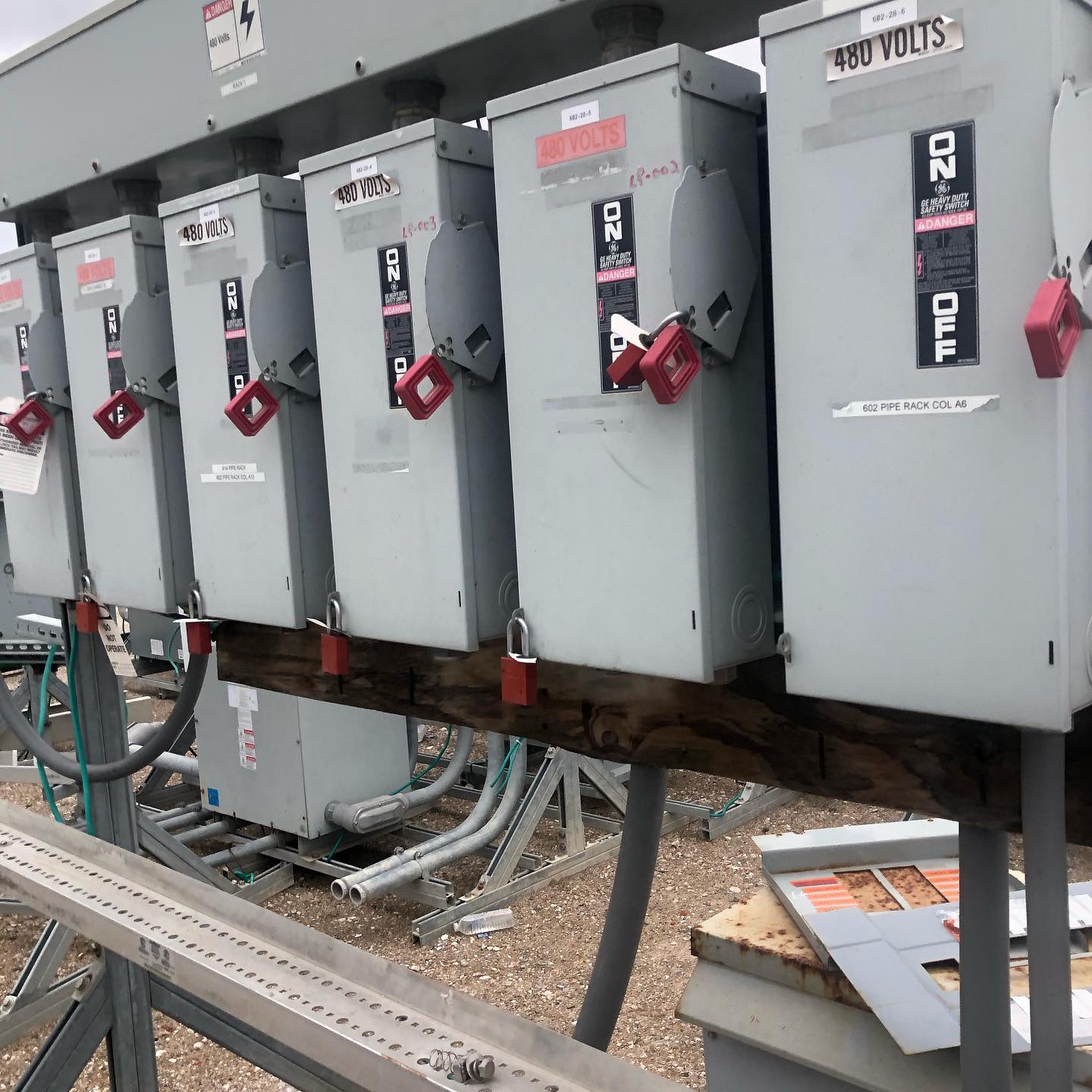
Discuss Your Circuit Breaker Oil Disposal Requirements
Call (281) 501-3405 | Industrial Surplus Inc.
Make an Informed Plan for Circuit Breaker Oil Disposal in North Carolina
Managing oil-filled circuit breakers responsibly starts with identifying the equipment, determining what the insulating oil contains, and establishing an appropriate route for handling the materials. When PCB contamination is possible, assumptions can create avoidable environmental, safety, and regulatory problems. A documented assessment helps equipment owners understand their options and coordinate recovery, recycling, or final disposal where appropriate.
Industrial Surplus Inc. can be contacted to discuss surplus-equipment needs and confirm whether the assistance required for your project is available. Call (281) 501-3405 or submit an inquiry through the company contact page. Before authorizing work, confirm the service scope, the responsibilities of each provider, the proposed destination for the materials, and the records that will be supplied.
For additional background on PCB-related requirements, consult the U.S. Environmental Protection Agency’s information on polychlorinated biphenyls (PCBs). Confirm the rules that apply to the specific oil, equipment, and proposed activity with qualified professionals or the appropriate regulatory authorities. A clear understanding of the materials is the foundation for choosing a suitable and well-documented solution.
Frequently Asked Questions About Circuit Breaker Oil Disposal in North Carolina
1. What is circuit breaker oil disposal?
Circuit breaker oil disposal is the process of managing insulating oil from oil-filled electrical breakers when it is no longer needed. The appropriate method depends on the oil’s characteristics, possible contamination, and applicable handling, transportation, recycling, treatment, or disposal requirements.
2. Why is PCB testing important for older circuit breakers?
Some older electrical equipment used PCB-containing fluids. Age alone does not confirm the contents of a particular breaker, so manufacturer information, maintenance records, existing test results, or appropriate laboratory analysis may be needed.
3. Can circuit breaker oil be disposed of as ordinary waste?
Do not assume that used insulating oil can be placed in ordinary waste or poured down a drain. First determine what the oil contains and confirm the requirements that apply to its handling and final destination.
4. Does every oil circuit breaker contain PCBs?
No. PCB status depends on the particular equipment and its history. Records and appropriate testing may help establish how the oil and associated equipment should be managed.
5. Does Industrial Surplus Inc. provide oil removal in North Carolina?
Contact Industrial Surplus Inc. at (281) 501-3405 to confirm whether oil removal or related services are available for your project. Equipment-related services should not automatically be assumed to include oil handling or regulated waste disposal.
6. What should I do if a circuit breaker is leaking oil?
Avoid contact with the liquid, keep unqualified personnel away from the affected area, and prevent the oil from entering drains or soil where it is safe and appropriate to do so. Seek guidance from qualified personnel about containment, cleanup, and any applicable reporting requirements.
7. What information should I provide when requesting assistance?
Share the equipment manufacturer and model if known, the number of units, their location and condition, whether oil remains inside, and any available PCB test results. Explain the work you need and identify any uncertainty about the oil’s contents.
8. Are permits or special documentation required?
Requirements depend on the material, its classification, the activity being performed, and the proposed transportation or disposal route. Confirm the applicable federal and North Carolina requirements with qualified environmental professionals or the relevant regulatory authorities.
9. Can oil-filled circuit breakers be recycled?
Some equipment and materials may be suitable for recycling, but acceptance depends on the condition, contents, and receiving facility’s requirements. Oil and potentially contaminated components may require separate assessment and handling.
10. How much does circuit breaker oil disposal cost?
Costs depend on the number and size of units, oil quantity, testing requirements, contamination status, access, transportation, and the required management route. Request an estimate that clearly identifies included services and potential additional costs.
11. Can I transport a breaker before its oil has been tested?
Do not assume transportation is appropriate while the oil’s contents remain unknown. Establish the information needed to characterize the equipment and confirm the applicable packaging, handling, and transportation requirements before arranging shipment.
12. Can several circuit breakers be included in one project?
Multiple units can be inventoried together for planning. Record each unit’s identifying details and condition, since the appropriate handling route may differ based on its oil history, contamination status, or physical condition.
13. What if the PCB status of the oil is unknown?
Document that the status is unknown and seek appropriate guidance before treating the oil as PCB-free. Existing records or suitable testing may be necessary to determine the proper management approach.
14. Can Industrial Surplus Inc. help with replacement equipment?
Contact the company to ask about available surplus circuit breakers and confirm whether a particular unit meets your specifications. Equipment availability and suitability should be verified before making a purchase or replacement decision.
15. How long does circuit breaker oil disposal take?
Timing depends on the number of units, site access, testing needs, contractor availability, transportation arrangements, and receiving-facility requirements. A realistic schedule can be discussed after the project details have been reviewed.
16. What records should I keep after disposal?
Keep relevant equipment inventories, test results, contractor documents, transport records, receipts, and required waste-management records. Confirm which documents are applicable to your materials and how long they must be retained.
17. Will a scrap-metal buyer accept an oil-filled breaker?
Acceptance depends on the buyer’s capabilities and policies, the equipment’s condition, and the oil or contamination status. Confirm acceptance requirements before delivering or shipping the unit.
18. Does Industrial Surplus Inc. serve every location in North Carolina?
Contact the company directly to confirm whether it can support your location and the specific service you need. Verify availability before scheduling equipment pickup, transportation, or site work.
19. What should I ask a disposal contractor before approving work?
Ask what the quoted scope includes, who will assess the oil, how the materials will be handled and transported, where they will be sent, who is responsible for required documentation, and which costs may be additional. Obtain clear confirmation of the agreed responsibilities.
20. How do I get started with Circuit Breaker Oil Disposal in North Carolina?
Gather your equipment details and any available oil records, then call Industrial Surplus Inc. at (281) 501-3405 or submit an inquiry through the company’s contact page. Describe the project and confirm which services are available for your particular requirements.