Circuit Breaker Buyers in Vermont
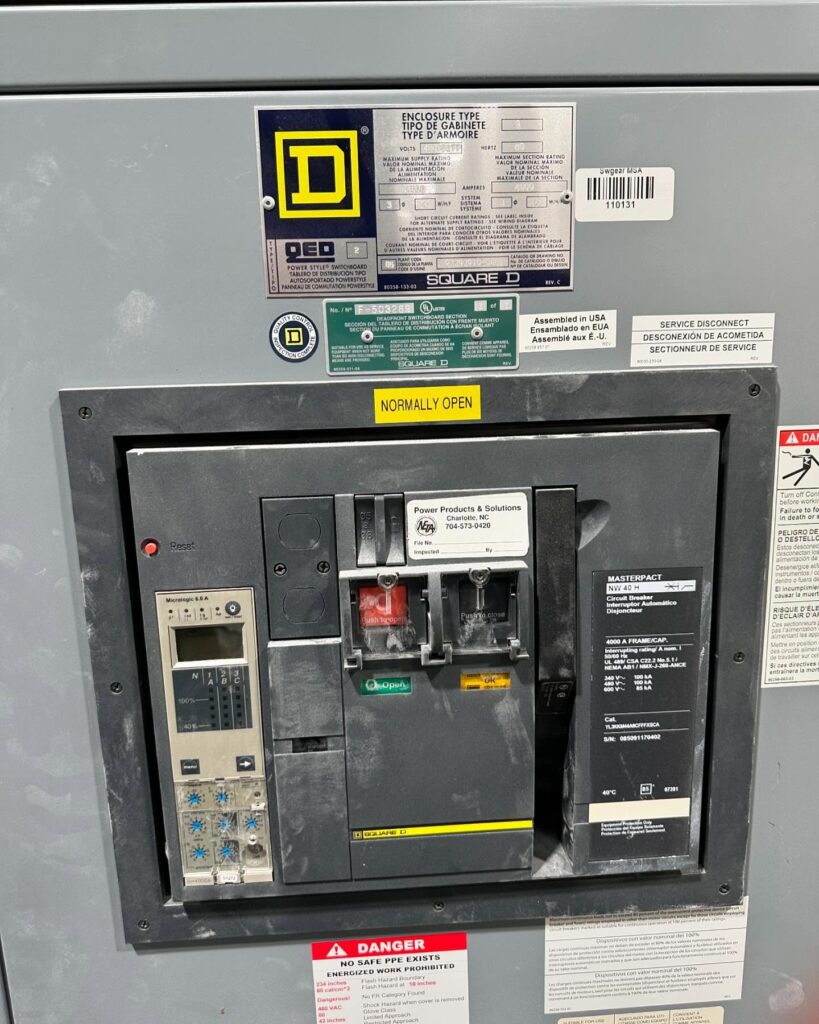
Circuit Breaker Buyers in Vermont
Call (281) 501-3405 | Industrial Surplus Inc.
When electrical equipment is replaced, upgraded, or removed from service, the circuit breakers left behind can represent valuable surplus inventory. Businesses looking for Circuit Breaker Buyers in Vermont need a practical way to identify what they have, understand which items may have resale value, and determine how to move the equipment to its next destination. Industrial Surplus Inc. works with surplus industrial equipment, and sellers can contact the company to discuss their inventory and confirm whether it is a fit for its current purchasing needs.
Surplus circuit breakers can come from electrical contractors, industrial maintenance departments, construction projects, equipment distributors, utility-related facilities, and businesses consolidating their inventory. Some units may be unused overstock, while others may have been removed during a system upgrade or facility renovation. The value of each item depends on factors such as manufacturer, model, specifications, condition, completeness, and current demand.
If you have circuit breakers taking up warehouse space or equipment that is no longer needed for an upcoming project, start by assembling an inventory and gathering clear photographs. Contact Industrial Surplus Inc. at (281) 501-3405 or use the online contact page to describe what you want to sell. The company can review your inquiry and confirm whether it is interested in the equipment and what arrangements may be available.
Sell Surplus Circuit Breakers From Vermont
Electrical equipment can accumulate for many reasons. A contractor may have unused breakers remaining after a completed installation. A distributor may need to reduce excess inventory. A manufacturing plant may replace an older electrical system and retain components that are no longer required. A facility manager may also discover boxed breakers and related parts during a warehouse cleanout.
Keeping surplus inventory indefinitely can take up valuable storage space and make it harder to track usable assets. Reviewing the equipment gives your business an opportunity to distinguish items that may be suitable for resale from those that require further evaluation or another disposition route. Rather than assuming every old breaker has the same value, assess the available details and seek an offer based on the actual inventory.
Industrial Surplus Inc. can be contacted about surplus circuit breakers and related industrial equipment. Before making arrangements, provide the available manufacturer information, model numbers, quantities, and condition details. The company must confirm whether the items fit its current purchasing criteria; an inquiry does not guarantee that every breaker will be accepted.
For Vermont sellers, it is also important to clarify transportation arrangements early. The distance between the equipment’s location and its intended destination, the total quantity, the weight of the lot, and any loading restrictions may affect whether a transaction makes practical sense. Confirm pickup availability, costs, responsibilities, and payment terms before committing to a sale.
Types of Circuit Breakers Buyers May Evaluate
Circuit breakers come in many designs, ratings, and configurations. Identifying the type of equipment you have helps a potential buyer understand the inventory and determine what additional information is needed. Industrial Surplus Inc. can review inquiries about surplus equipment, but acceptance and value must be confirmed for the specific items offered.
- Molded Case Circuit Breakers (MCCBs): Commonly used in commercial and industrial electrical distribution. Their ratings, model numbers, condition, and manufacturer can affect resale interest.
- Low-Voltage Circuit Breakers: Used in a range of electrical panels and distribution systems. Buyers may need the voltage rating, current rating, and exact model information.
- Medium-Voltage Circuit Breakers: Found in certain industrial and utility applications. Their specifications, physical condition, and available documentation are important when evaluating surplus units.
- Air Circuit Breakers: Often used in larger electrical distribution equipment. Complete identification and information about accessories can help with an initial review.
- Vacuum Circuit Breakers: Used in various medium-voltage applications. The manufacturer, model, operating mechanism, and known service history may be relevant to valuation.
- Insulated-Case Circuit Breakers: Used in some larger distribution systems. Accurate specifications and the condition of the breaker and its components help establish whether it may be marketable.
- Thermal-Magnetic Breakers: These breakers use thermal and magnetic trip mechanisms. Model identification and condition are useful when preparing a list for review.
- Breaker Panels and Associated Components: Panels, enclosures, mounting hardware, and related components may need to be evaluated separately according to their condition, completeness, and compatibility.
This list is intended to help sellers organize their inventory, not to guarantee that every type will be purchased. Equipment that is damaged, incomplete, obsolete, or missing its identifying information may require additional review. Contact the company with your list and photographs to establish whether the particular items are of interest.
What Determines the Value of Surplus Circuit Breakers?
The resale value of a circuit breaker is not determined by age alone. Some older models may remain relevant to businesses maintaining existing equipment, while other units may have limited demand because of their condition, specifications, or lack of available replacement parts. A newer breaker may also have limited resale value if it is damaged, incomplete, or difficult to identify.
Several factors can influence an evaluation:
- Manufacturer and model: Clear identification helps establish the exact product and its specifications.
- Electrical ratings: Voltage, current, interrupting capacity, and other technical details help distinguish similar-looking breakers.
- Condition: New, unused, used, damaged, and incomplete units may be evaluated differently.
- Quantity: A group of matching breakers may be easier to assess than a mixed collection of unrelated models, although each lot is different.
- Accessories and completeness: Available operating mechanisms, connectors, mounting hardware, and documentation may be relevant.
- Market demand: Interest depends on whether other businesses need the particular equipment or compatible components.
- Logistics: Packing, loading, transportation, and access requirements can affect the overall economics of a transaction.
For a more useful initial assessment, send photographs that show the full breaker and its identification plate. Include model numbers and quantities in a written list when possible. If the equipment is stored in its original packaging, photographs of the packaging labels may also help. Avoid removing safety covers or opening electrical equipment simply to take pictures.
No photograph or inventory list can guarantee a final purchase price. The buyer may need additional details or an in-person review before confirming an offer. Ask which information is required, whether the offer is conditional, and what must be true about the equipment at the time of transfer.
Why Businesses Sell Unused and Obsolete Electrical Equipment
Surplus circuit breakers are often the result of routine business changes rather than equipment failure. A company may have ordered more units than the project required, changed its equipment specifications, consolidated warehouses, or upgraded a distribution system. In other cases, a contractor may have accumulated spare parts from multiple jobs and want to simplify its inventory.
For maintenance teams, keeping track of surplus electrical components can become difficult when equipment is stored across multiple locations. Model numbers may be missing from internal spreadsheets, packaging may be damaged, or similar breakers may have different ratings. Organizing the inventory before contacting buyers can reduce confusion and help identify items that deserve closer evaluation.
Businesses should distinguish between equipment that is merely surplus and equipment that has a known defect or safety concern. Used breakers should not be represented as tested, serviceable, or suitable for reuse unless that description is supported by the appropriate inspection and records. If an item has been damaged or its condition is uncertain, disclose that information during the initial discussion.
For companies handling a large inventory reduction, consider preparing separate lists for unused stock, used equipment, damaged units, and miscellaneous components. This makes it easier to communicate what is available and lets a potential buyer determine whether it wants to evaluate the entire lot or only selected items.
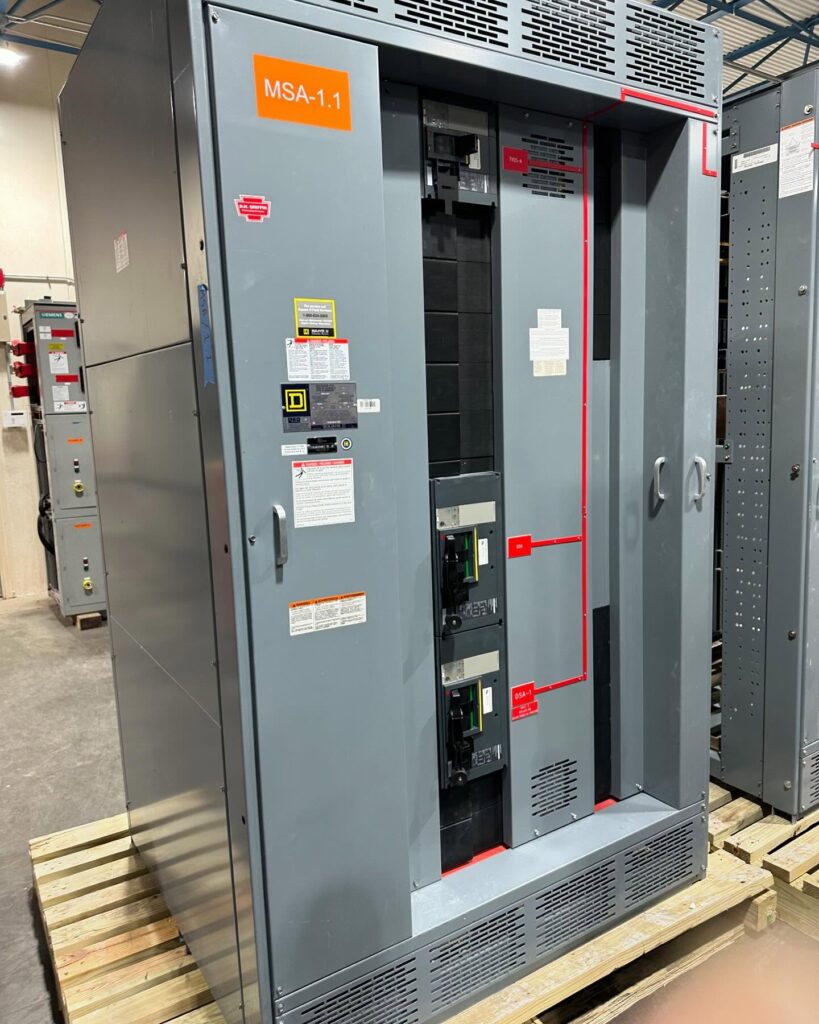
Contact Circuit Breaker Buyers in Vermont
Call (281) 501-3405 | Industrial Surplus Inc.
Who Can Sell Surplus Circuit Breakers?
Different types of organizations may have circuit breakers available for sale. The circumstances vary, but the initial process is similar: identify the equipment, document its condition, and find out whether a buyer is interested in the items offered.
- Electrical contractors: May have unused breakers left over after installations, renovation work, or project changes.
- Electrical distributors: May need to review discontinued lines, overstock, returned inventory, or products that no longer fit their current sales mix.
- Manufacturing facilities: May have spare electrical components after equipment upgrades or changes to production systems.
- Facility maintenance departments: May hold surplus stock accumulated over several years of repairs and maintenance.
- Construction and demolition companies: May recover electrical equipment during approved renovation or decommissioning work.
- Surplus and liquidation businesses: May consolidate equipment from multiple sources and seek buyers for identified inventory.
- Schools, hospitals, and public institutions: May have excess equipment following building upgrades, subject to their own procurement, surplus-property, and disposal procedures.
- Commercial property operators: May discover unused breakers and related components during facility modernization or warehouse cleanouts.
Organizations selling equipment should ensure they have the authority to transfer it. Public agencies, regulated facilities, and larger companies may have internal approval processes or specific asset-disposition requirements. Confirm those requirements before arranging a sale, and retain the records required by your organization.
How to Prepare Your Circuit Breakers for a Buyer
Good preparation starts with identification rather than dismantling. Make a list of the breakers you intend to sell and record the manufacturer, model, electrical ratings, quantity, and known condition. If some items cannot be identified, place them in a separate group and photograph them clearly so the buyer can determine whether further information is necessary.
Keep accessories and documentation associated with each unit when practical. Original packaging, product labels, manuals, or records may help establish the model and condition. Do not combine unrelated parts into one box without documenting what is included, particularly when the equipment looks similar but has different ratings or specifications.
Store the equipment in a way that prevents additional damage and keeps the inventory accessible for review. Do not energize, test, open, or disassemble electrical equipment unless the work is performed by qualified personnel using suitable procedures. If a breaker is visibly damaged, has exposed components, or has an unknown history, make that clear before anyone attempts to handle it.
For larger lots, label pallets or containers with a basic inventory reference. A simple spreadsheet that connects each item to its photographs can make the review process more efficient. Include a note for any missing labels, suspected defects, or differences between the listed inventory and the items physically available.
What to Confirm Before Arranging Pickup or Shipment
Transportation should be discussed after the buyer has reviewed the equipment and indicated interest. The seller and buyer should agree on which items are included, where the equipment is located, who is responsible for loading, and how the transfer will take place. The arrangements may differ for a single breaker stored in a workshop and a large lot held in an industrial warehouse.
Before scheduling, confirm the following details in writing:
- The exact equipment included in the transaction.
- The accepted condition and any exceptions to the offer.
- The agreed purchase price and payment method.
- Whether transportation or pickup is available at the seller’s location.
- Who provides labor, lifting equipment, packaging, and loading.
- Any costs or conditions that could change the final amount paid.
- The date or scheduling window and the process for changes or delays.
- What receipt, inventory record, or other transaction documentation will be provided.
Do not assume that pickup is free or available on the same day unless the buyer explicitly confirms it. Likewise, do not assume that payment will be made in cash or immediately at collection. Payment terms should be agreed upon before the equipment changes hands, with appropriate documentation retained by both parties.
If the equipment is installed in an electrical system, removal should be coordinated with the facility’s responsible personnel and performed by qualified individuals. A purchasing inquiry does not replace the electrical isolation, safety planning, or site authorization needed for removal.
How the Circuit Breaker Selling Process Works
A clear selling process helps both parties understand the inventory and agree on realistic expectations. The exact procedure depends on the equipment, the seller’s location, and the terms the buyer is willing to offer. The following steps provide a practical starting point when contacting Industrial Surplus Inc. about surplus circuit breakers.
- Step 1 — Make an inventory: Record the type, manufacturer, model, quantity, ratings, and known condition of the breakers you want to sell.
- Step 2 — Gather photographs: Photograph the complete units and identification labels. Include packaging or accessory details where useful.
- Step 3 — Submit an inquiry: Call (281) 501-3405 or use the online contact form to describe the inventory.
- Step 4 — Confirm interest and terms: Ask whether the equipment fits the company’s current buying needs and clarify the proposed price, accepted items, and any conditions.
- Step 5 — Finalize logistics: If both parties agree to proceed, confirm pickup or shipment arrangements, loading responsibilities, timing, and payment terms in advance.
For a large inventory, the buyer may need a more detailed list or additional photographs before making a decision. A site visit or other review should not be assumed unless it has been specifically arranged. If timing is important, explain your preferred schedule during the initial inquiry and ask what can realistically be accommodated.
Responsible Handling of Electrical Surplus
Not every retired breaker is suitable for resale, and not every item that lacks resale value should be handled as ordinary waste. The appropriate route depends on the condition of the equipment, its materials, and any relevant environmental or safety requirements. Where recycling or disposal is necessary, identify a suitable recipient and confirm that the equipment can be accepted.
Some electrical equipment may contain materials that require specialized handling. Oil-filled breakers, components suspected of containing PCBs, and equipment with other potentially hazardous substances should not be treated as interchangeable with ordinary dry electrical components. If such materials are present, determine their status and applicable requirements before moving the equipment or combining it with other surplus items.
Documentation is especially important when equipment is sold as used or potentially reusable. Describe its condition accurately, avoid unsupported claims about testing or certification, and provide any available records that help the buyer understand what is being transferred. If the equipment is intended for recycling or disposal rather than reuse, confirm the receiving party’s acceptance criteria and any documentation required for the transaction.
For general background on the equipment itself, see the Wikipedia overview of the circuit breaker. For specific electrical work, handling decisions should be based on the manufacturer’s information, the actual condition of the equipment, and advice from qualified professionals.
Discuss Your Surplus Inventory With Industrial Surplus Inc.
If you have circuit breakers in Vermont that are no longer needed, the next step is to establish whether the inventory matches a buyer’s current requirements. Industrial Surplus Inc. can be contacted to discuss surplus electrical equipment and review the details you provide. Call (281) 501-3405 or submit an inquiry through the company’s contact page.
Include your location, a brief inventory, photographs, and the condition of the equipment. If you have multiple breaker types, separate them by model or category where possible. If the lot includes accessories, panels, or other electrical components, list those items separately so the scope of the inquiry is clear.
Ask the company to confirm whether it is interested in the listed equipment, what additional information it needs, and whether it can offer a practical collection or shipping arrangement for your location. Confirm all pricing, transportation, loading, and payment details before finalizing the transaction. These details should be established directly rather than assumed from a general description of purchasing services.
You can also visit the Industrial Surplus Inc. website to learn more about the company or browse its online store. The availability of specific buying services and equipment acceptance should be verified directly with the company.
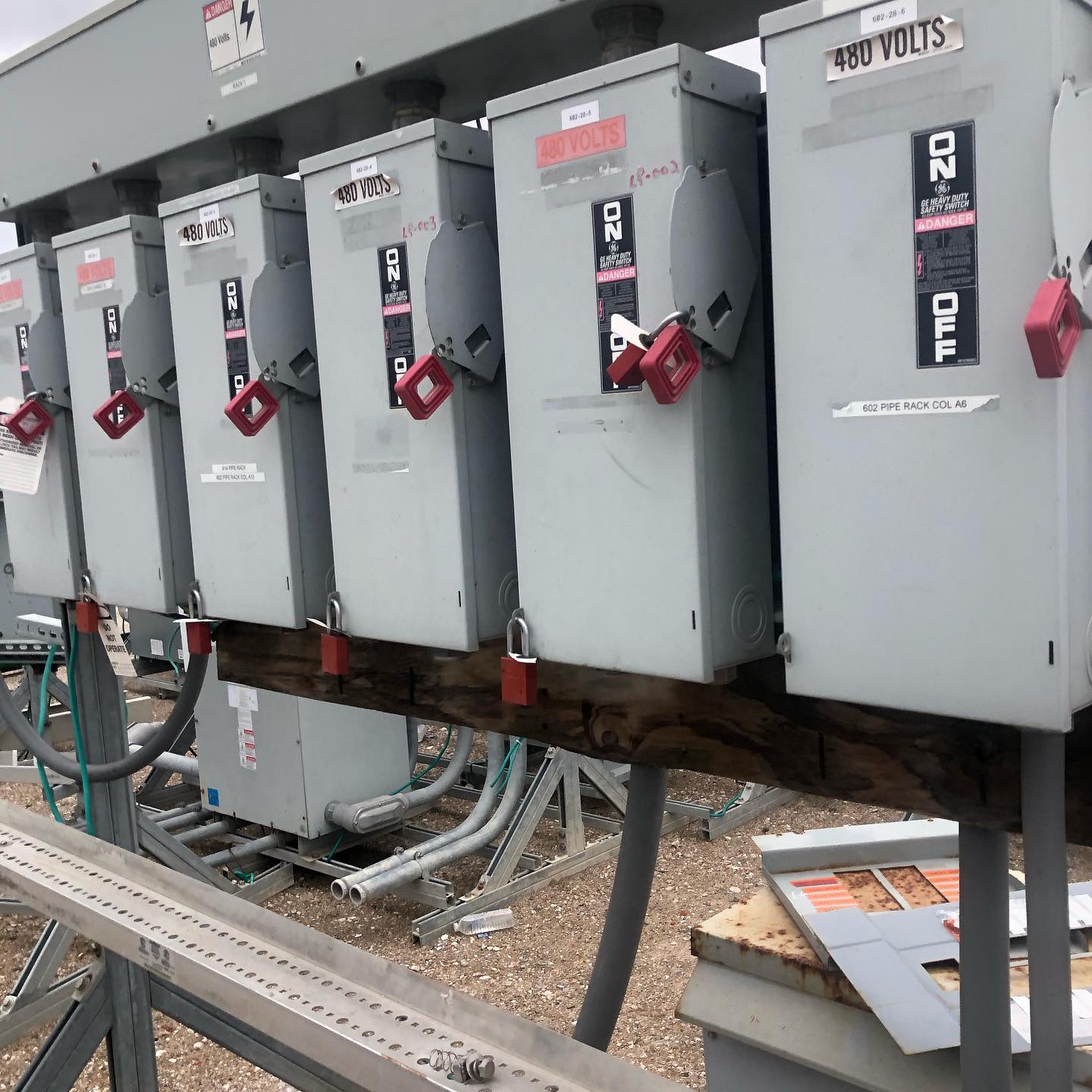
Find Out Whether Your Surplus Circuit Breakers Qualify
Call (281) 501-3405 | Industrial Surplus Inc.
Turn Unused Electrical Inventory Into a Potential Sale
Unused circuit breakers can occupy valuable space long after a project has ended or a facility has changed its electrical equipment. Organizing the inventory, identifying the models, and documenting the condition makes it easier to determine which items may have resale potential. It also helps separate potentially reusable equipment from items that need further evaluation or a different disposition route.
Industrial Surplus Inc. is a point of contact for businesses interested in discussing surplus industrial equipment. If you are looking for Circuit Breaker Buyers in Vermont, provide a clear inventory and ask the company to confirm its current interest, the available transaction terms, and any transportation arrangements for your location.
Call (281) 501-3405 or use the online contact form to get the conversation started. A well-prepared inquiry—with accurate model information, photographs, quantities, and condition details—gives a potential buyer a better basis for reviewing your equipment.
Frequently Asked Questions About Circuit Breaker Buyers in Vermont
1. What types of circuit breakers can I submit for consideration?
You can provide details about molded case, low-voltage, medium-voltage, air, vacuum, insulated-case, and other circuit breaker types. Acceptance depends on the specific model, condition, market demand, and the buyer’s current requirements.
2. Can I sell old or obsolete circuit breakers?
Possibly. Some obsolete breakers may retain value when businesses need compatible replacements or parts, while others may have limited resale potential. Share the model numbers, condition, and photographs so the buyer can assess whether the items are of interest.
3. Will a buyer consider unused inventory from an electrical contractor?
Unused contractor stock may be worth submitting for review. Provide the manufacturer, model, quantity, ratings, and packaging condition, and confirm whether the buyer is interested in the particular inventory.
4. How do I find out what my circuit breakers are worth?
Prepare a list with clear photographs, manufacturer details, model numbers, quantities, and condition information. Contact Industrial Surplus Inc. at (281) 501-3405 to ask whether it is interested and what further information is needed to evaluate the equipment.
5. Does Industrial Surplus Inc. buy circuit breakers in Vermont?
Contact the company directly to confirm whether it is currently purchasing your equipment and whether it can arrange a transaction for your Vermont location. Do not assume acceptance or pickup availability until the company confirms the details.
6. Is there a minimum quantity of breakers I must sell?
Minimum quantities can depend on the buyer’s purchasing criteria and the type of equipment offered. Ask whether your single unit, small group, or larger inventory is suitable for consideration.
7. Can I sell mixed lots with different breaker models?
Yes, you can submit an inventory containing different models for review, but each type should be identified as clearly as possible. Separate lists or photographs help distinguish the equipment and make it easier to determine which items may be of interest.
8. Do photographs help when requesting a quote?
Yes. Clear photographs of the full unit and identification plate can help establish the manufacturer, model, ratings, and visible condition. Additional information may be needed before an offer can be confirmed.
9. Will a buyer consider damaged circuit breakers?
That depends on the nature of the damage and the potential for resale, parts recovery, or recycling. Describe known defects accurately and do not represent damaged or untested equipment as serviceable.
10. Can I include breaker panels and related components?
You can list panels, enclosures, mounting hardware, and associated parts separately in your inquiry. Confirm whether the buyer is interested in each category and whether any items require additional evaluation.
11. Does Industrial Surplus Inc. offer free pickup in Vermont?
Pickup availability and any associated charges must be confirmed directly with Industrial Surplus Inc. Provide your location, inventory size, and loading details, and ask the company to clarify transportation arrangements before accepting an offer.
12. Can I receive payment immediately when the equipment is collected?
Payment timing and method depend on the agreed transaction terms. Confirm whether payment is due before, during, or after collection and obtain written confirmation of the final amount and any conditions.
13. Does the company offer same-day or weekend pickup?
Scheduling depends on availability, location, equipment quantity, and transportation requirements. If you have a preferred date or urgent deadline, mention it during the initial inquiry and ask what schedule can be accommodated.
14. Do I need to test the circuit breakers before selling them?
Do not assume testing is required or unnecessary for every transaction. Ask the prospective buyer what condition information and test records it needs. Any electrical testing should be performed by qualified personnel using appropriate procedures.
15. Should I remove the breakers from their panels before contacting a buyer?
Not necessarily. First identify the equipment and ask the buyer what it wants to review. Removing breakers from installed electrical systems should be performed only by qualified personnel after the appropriate safety procedures and authorizations are in place.
16. Can businesses and public institutions sell surplus circuit breakers?
They may be able to, subject to their ownership, procurement, and asset-disposition requirements. Organizations should confirm they have authority to sell the equipment and retain the documentation required by their internal policies.
17. What if the breakers have missing labels or model numbers?
Take clear photographs of the complete unit and any remaining markings, packaging, or associated documentation. Explain that the identification is incomplete and ask whether the buyer can review the equipment with the information available.
18. Can circuit breakers containing oil or potentially hazardous materials be sold as ordinary surplus?
Do not assume that oil-filled or potentially contaminated equipment can be handled like ordinary dry electrical components. Its contents and applicable requirements should be established before arranging transfer, transport, recycling, or disposal.
19. What should I confirm before agreeing to sell my inventory?
Confirm the items included, purchase price, payment terms, pickup or shipping arrangements, loading responsibilities, any fees, and the condition requirements. Ask for the agreed terms in writing before the equipment changes hands.
20. How do I contact Circuit Breaker Buyers in Vermont?
Call Industrial Surplus Inc. at (281) 501-3405 or submit your inventory details through the company’s contact page. Include the equipment type, quantities, photographs, model information, condition, and location so the company can review your inquiry.