Used Circuit Breaker Buyers in Oregon
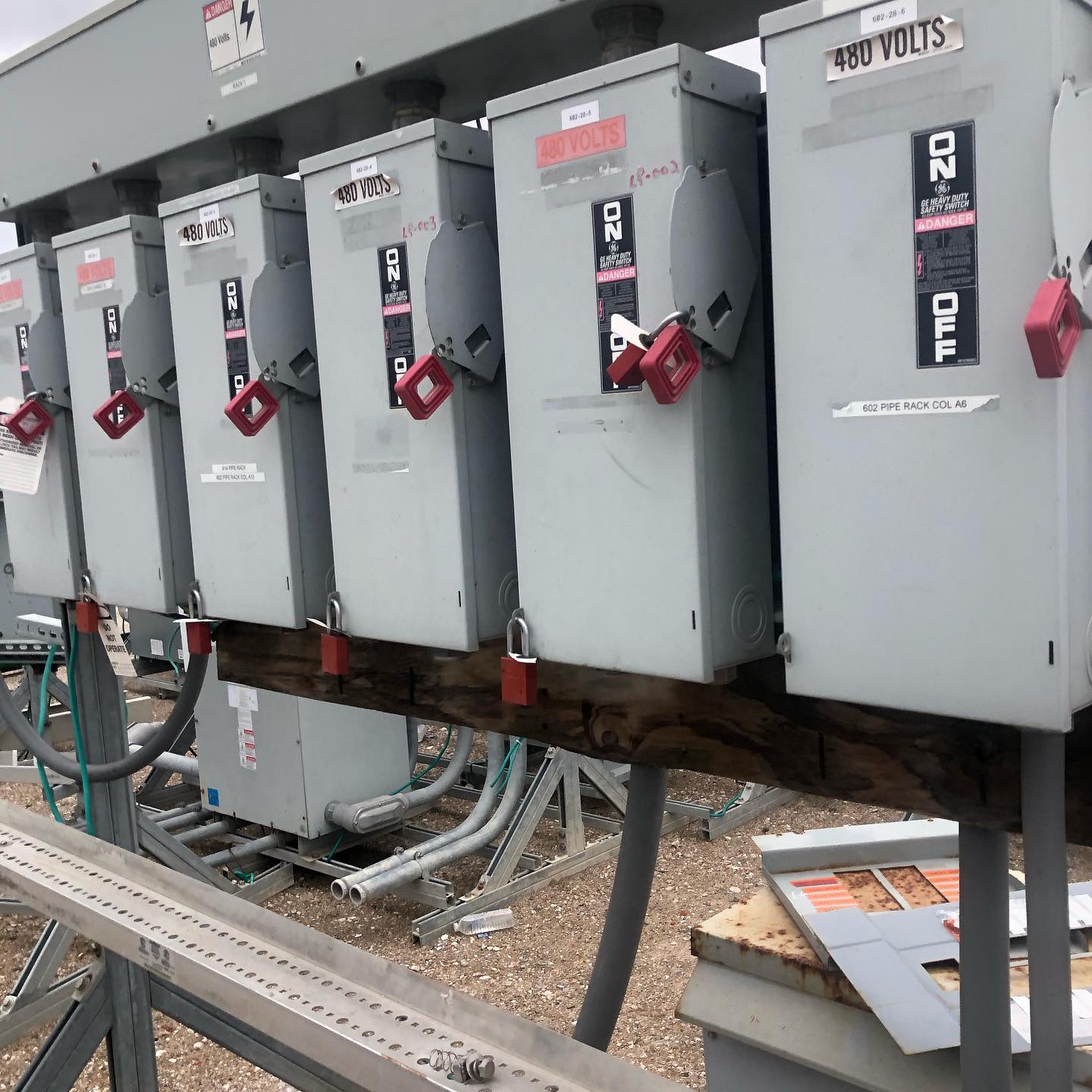
Used Circuit Breaker Buyers in Oregon for Industrial and Commercial Equipment
Call (281) 501-3405 | Industrial Surplus Inc.
Find a Direct Buyer for Your Surplus Electrical Circuit Breakers
When a facility upgrades its electrical system, the equipment being replaced does not always belong in a scrap container. Circuit breakers removed during planned improvements may still have commercial value, particularly when they are identifiable, complete, and compatible with electrical systems that remain in operation. For businesses searching for Used Circuit Breaker Buyers in Oregon, Industrial Surplus Inc. provides a direct way to explore purchasing opportunities for surplus electrical equipment.
From industrial properties in Portland to manufacturing operations in the Willamette Valley and agricultural facilities in eastern Oregon, electrical equipment becomes surplus for many reasons. A company may replace an aging switchgear assembly, expand production capacity, modernize a distribution panel, or close a facility. These changes can leave contractors and property owners responsible for equipment that no longer serves a purpose at its original location.
Industrial Surplus Inc. welcomes inquiries from Oregon businesses with used, surplus, obsolete, and excess circuit breakers. Our purchasing review begins with equipment details rather than requiring sellers to transport inventory before knowing whether there is interest.
To begin, gather photographs, manufacturer names, catalog numbers, electrical ratings, quantities, and condition information. Submit your inventory through our request a quote page, visit our contact page, or call (281) 501-3405 to discuss the equipment.
Used Circuit Breaker Buyers in Oregon for Business Equipment Liquidations
Oregon’s commercial and industrial landscape includes advanced manufacturing, semiconductor production, timber and wood products, food processing, agricultural operations, transportation facilities, renewable energy projects, healthcare institutions, and commercial construction. Electrical infrastructure supports all of these industries, and equipment changes frequently produce surplus components.
A breaker may become available because the original facility changed its electrical requirements, not necessarily because the equipment stopped functioning. However, its previous use, removal history, and condition still matter when determining whether it is suitable for purchasing consideration.
Industrial Surplus Inc. can review inventory submitted by sellers across Oregon. The equipment’s specifications, condition, quantity, location, and potential market demand determine the next steps.
Who Can Submit Used Circuit Breakers for Evaluation?
- Electrical Contractors: Equipment removed during service upgrades, panel replacements, and commercial renovations.
- Manufacturing Facilities: Surplus breakers associated with production-line changes and electrical system modernization.
- Semiconductor and Technology Facilities: Spare or removed distribution equipment from infrastructure upgrades.
- Wood Products Companies: Breakers from sawmills, processing facilities, and related industrial electrical installations.
- Food Processing Businesses: Electrical components made available during machinery changes and facility improvements.
- Agricultural Operations: Surplus equipment from irrigation facilities, packing operations, storage buildings, and processing properties.
- Commercial Property Managers: Breakers removed during building renovations and tenant improvements.
- Equipment Liquidators: Electrical inventory from facility closures, asset sales, and business relocations.
- Electrical Distributors: Excess inventory, discontinued models, and unused project materials.
Different businesses have different inventory requirements. A contractor may have only a few breakers remaining after a project, while an industrial liquidator may manage several pallets of mixed electrical equipment. Both situations can be submitted for review.
Types of Used Circuit Breakers We Consider for Purchase
Circuit breakers are manufactured for specific electrical applications. Their voltage ratings, current capacities, trip characteristics, and mounting arrangements vary significantly. A purchasing evaluation therefore requires more information than a general description of the equipment.
Molded Case Circuit Breakers
Molded case circuit breakers are commonly used in commercial buildings, industrial distribution panels, and machinery-related electrical systems. They are available in different frame sizes, amperage ratings, and trip configurations. Their potential resale value depends on the exact model, condition, completeness, and demand for compatible replacements.
Air Circuit Breakers
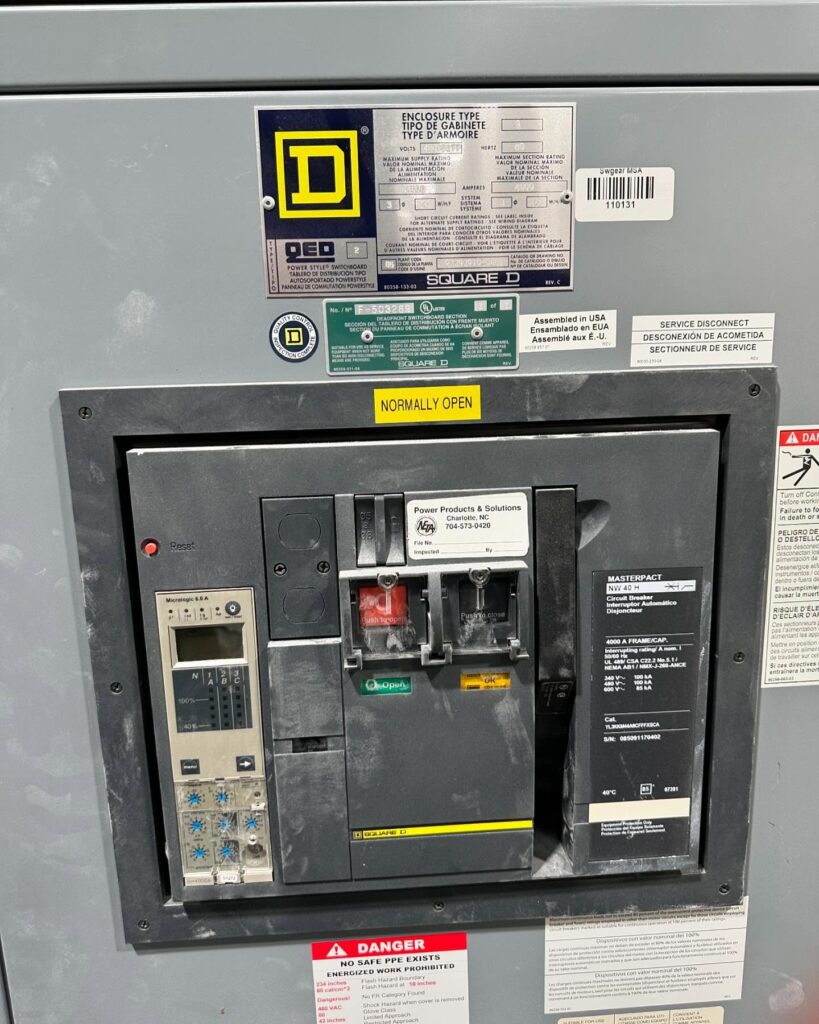
Air circuit breakers are often associated with larger low-voltage distribution systems. Some incorporate adjustable electronic trip units, operating mechanisms, and specialized mounting configurations. Photographs of the entire breaker and its identification plates are particularly useful when submitting these units.
Vacuum Circuit Breakers
Vacuum circuit breakers are used in various medium-voltage applications. They may be found in industrial power distribution systems, utility-related installations, and specialized facilities. Their resale potential depends on technical specifications, condition, compatibility, and available documentation.
Insulated-Case Circuit Breakers
Insulated-case breakers are designed for certain commercial and industrial distribution applications. Identifying the manufacturer, frame, trip unit, and accessories helps distinguish these devices from other breaker types.
Low-Voltage Power Circuit Breakers
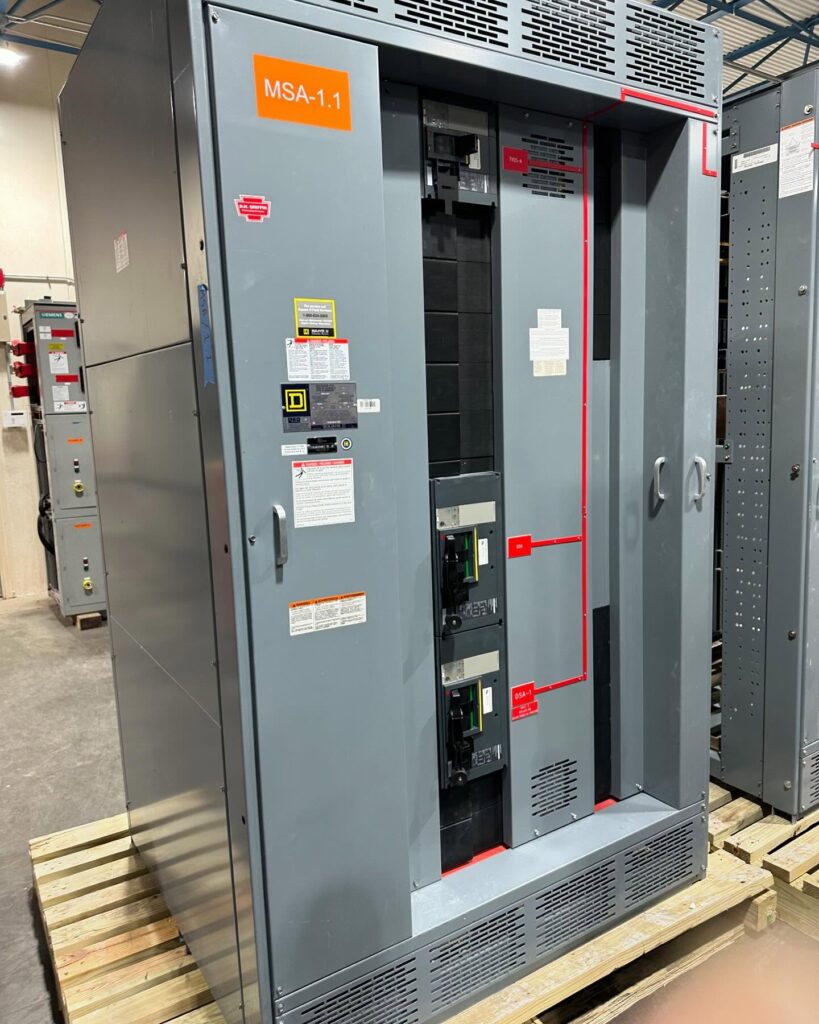
Low-voltage power breakers may be installed in switchgear assemblies and larger distribution systems. When evaluating these units, information about the mounting arrangement, draw-out mechanism, trip configuration, and associated hardware can be important.
Obsolete and Discontinued Circuit Breakers
Discontinued breakers sometimes retain replacement demand because existing electrical installations still require compatible components. Other older models may have little commercial value. The age of a breaker alone does not determine whether it is desirable to purchase.
What Circuit Breaker Brands Are Commonly Found in Oregon Facilities?
Industrial and commercial properties often contain electrical equipment installed over several decades. As buildings expand or equipment is replaced, their electrical systems may incorporate components from multiple manufacturers.
Common brands found in commercial and industrial breaker inventories include:
- Square D
- Schneider Electric
- Siemens
- Eaton
- Cutler-Hammer
- General Electric
- ABB
- Westinghouse
- Other established industrial electrical manufacturers
These manufacturer names are provided as examples of equipment that may be submitted for review. Purchasing interest is not guaranteed for every model or product line. A recognizable brand is only one part of the evaluation.
When contacting used circuit breaker buyers, photograph the manufacturer’s identification label and record the complete catalog number. Similar-looking breakers may have different electrical specifications or compatibility requirements.
How Much Are Used Circuit Breakers Worth in Oregon?
Used circuit breaker pricing varies considerably. A large breaker is not necessarily more valuable than a smaller unit, and an obsolete model is not automatically desirable simply because it is difficult to find.
Potential value depends on the equipment’s technical specifications, condition, completeness, available replacement demand, and the costs associated with the transaction.
Factors That Affect Circuit Breaker Purchase Offers
- Manufacturer and Model: Certain product lines may have stronger replacement demand than others.
- Electrical Ratings: Voltage, amperage, interrupting capacity, and trip characteristics influence compatibility.
- Condition: Corrosion, cracks, burned terminals, contamination, and other damage may reduce purchasing interest.
- Equipment History: Unused surplus, previously installed, tested, and untested breakers may be evaluated differently.
- Completeness: Missing trip units, handles, connectors, or mounting components can affect marketability.
- Quantity: Matching inventory may be easier to evaluate than a large collection of unrelated models.
- Market Demand: Availability of compatible replacement equipment can influence potential resale value.
- Transportation: Weight, dimensions, location, packaging, and handling requirements may affect the proposed terms.
For a more useful purchasing review, submit a detailed inventory rather than estimating value solely from the number or weight of breakers available.
Where Oregon Businesses Can Submit Circuit Breaker Inventory
Electrical surplus can originate from industrial districts, commercial properties, agricultural facilities, and infrastructure projects throughout the state.
Businesses may submit inquiries from Portland, Salem, Eugene, Springfield, Hillsboro, Beaverton, Gresham, Oregon City, Tigard, Tualatin, Wilsonville, Albany, Corvallis, McMinnville, Woodburn, Newberg, Medford, Ashland, Grants Pass, Roseburg, Bend, Redmond, Klamath Falls, Pendleton, Hermiston, The Dalles, La Grande, and other Oregon communities.
These areas represent different equipment markets. The Portland metropolitan area includes manufacturing, distribution, and technology-related facilities. The Willamette Valley supports a mixture of agriculture, food processing, commercial operations, and manufacturing. Central and eastern Oregon include agricultural, energy-related, transportation, and industrial properties.
Location references describe where potential sellers may be located. They do not imply that Industrial Surplus Inc. operates a physical office in each community. Any pickup or freight arrangements must be confirmed for the specific transaction.
Request a Quote From Used Circuit Breaker Buyers in Oregon
Call (281) 501-3405 | Industrial Surplus Inc.
How to Sell Used Circuit Breakers in Oregon
Preparing an organized inventory is one of the most effective ways to begin a purchasing discussion. Buyers need enough information to identify the equipment, assess its condition, and determine whether the transaction is practical.
Step 1: Identify the Manufacturer and Model
Locate the manufacturer’s nameplate or identification label. Record the catalog number, frame size, voltage rating, amperage rating, and any available trip-unit information. Avoid guessing when a marking is difficult to read.
Step 2: Photograph the Equipment
Take clear photographs showing the front, sides, terminals, identification labels, and relevant accessories. For larger inventories, include an overall photograph showing the quantity and storage arrangement.
Step 3: Describe the Equipment’s Condition
Explain whether the breakers are unused, previously installed, removed during a planned upgrade, or taken out of service because of a known problem. Disclose missing parts, corrosion, cracks, overheating, or other visible defects.
Step 4: Organize the Inventory by Model
Group identical breakers together and record their quantities. Keep matching trip units, mounting hardware, and accessories with the appropriate units whenever possible.
Step 5: Submit the Inventory for Review
Visit our request a quote page and provide the equipment details. Include the nearest Oregon city, approximate quantity, condition, and any deadlines affecting availability.
Step 6: Discuss Purchasing Interest and Transaction Details
If the inventory is of interest, discuss the proposed purchase amount, transportation responsibilities, inspection requirements, payment terms, and any necessary documentation before completing the transaction.
A purchasing inquiry does not guarantee an offer. Complete and accurate information helps determine whether the equipment fits current demand.
Used Circuit Breakers From Oregon Semiconductor and Technology Facilities
Oregon has an established semiconductor and technology manufacturing sector, particularly in the Portland metropolitan area. These operations rely on extensive electrical infrastructure supporting production equipment, cleanrooms, support systems, and related facilities.
Changes in manufacturing processes, equipment layouts, or electrical capacity can result in breakers and distribution components being removed or retained as excess spare inventory.
For technology-related facilities, detailed documentation can be particularly helpful. Equipment may have specialized ratings or configurations that are not obvious from its external appearance.
When submitting breakers from a semiconductor or technology facility, include manufacturer details, catalog numbers, quantity, removal history, and any available equipment records. Do not assume that equipment is suitable for reuse solely because it was previously installed in a controlled environment.
Electrical Surplus From Oregon Timber and Wood Products Operations
Wood products manufacturing has long been part of Oregon’s industrial economy. Sawmills, processing plants, and related facilities use electrical distribution equipment to support motors, conveyors, processing machinery, and plant infrastructure.
When equipment is upgraded or a production area is reconfigured, breakers may become surplus. Some units may have been installed in demanding environments where dust, vibration, moisture, or temperature changes affected storage and operating conditions.
Accurate condition disclosures are important. Photograph identification plates and any visible damage, and explain whether the equipment was removed during routine modernization or following an electrical problem.
If the project also involves other industrial equipment, review our industrial surplus services and include a separate description of the additional assets.
Used Circuit Breakers From Agricultural and Food Processing Facilities
Oregon’s agricultural and food processing businesses operate a variety of electrical systems, including those serving irrigation equipment, processing machinery, refrigeration, storage buildings, and packaging operations.
Facility improvements may produce surplus breakers that are no longer needed in their original installations. Equipment from these environments should be documented carefully, especially when it has been exposed to humidity, washdown areas, dust, or changing temperatures.
When preparing an inquiry, describe how the breakers were stored and whether they were previously installed. Do not attempt to clean, repair, or electrically test the equipment simply to improve its appearance before submitting photographs.
Information about the equipment’s actual condition is more useful than an unsupported statement that it is in working order.
Commercial Renovations and Electrical Upgrades in Oregon
Commercial property improvements can create electrical surplus even when the original equipment remains complete. Office renovations, retail conversions, hotel upgrades, institutional projects, and building expansions may require different electrical distribution configurations.
Contractors responsible for these projects often face strict schedules for clearing work areas and removing equipment. Identifying potential buyers before dismantling or relocating the inventory can help avoid unnecessary handling.
If breakers are still installed, document their identification only when it is safe to do so. Electrical disconnection and removal must be performed by appropriately qualified personnel using applicable safety procedures.
Once the equipment is available for sale, record the quantities, condition, and storage location. These details help a potential buyer understand the practical requirements of the transaction.
Why Equipment Condition Matters to Used Circuit Breaker Buyers in Oregon
A circuit breaker is an electrical protective device designed to interrupt current under specified fault or overload conditions. Its ability to perform that function cannot be established through appearance alone. For general technical background, see the explanation of a circuit breaker.
Used electrical equipment can have different histories. One breaker may have been removed during a planned modernization project, while another may have experienced a fault or sustained damage during storage.
When contacting buyers, distinguish between equipment that has been tested, equipment with available maintenance records, and equipment whose operating condition is unknown.
Do not describe a breaker as refurbished, certified, or ready for installation unless those statements are supported by appropriate documentation. Any future use should be evaluated by qualified electrical professionals.
How Oregon’s Climate Can Affect Stored Circuit Breakers
Storage conditions can vary considerably across Oregon. Coastal facilities may experience persistent moisture and salt exposure, western Oregon properties may have damp storage environments, and eastern Oregon locations may experience substantial seasonal temperature changes.
These conditions do not automatically make electrical equipment unsuitable for resale. However, water intrusion, condensation, corrosion, contamination, and physical deterioration can influence condition and purchasing interest.
If breakers have been stored in an unheated warehouse, outdoor container, agricultural building, or other uncontrolled environment, disclose that information. Photograph any visible rust, damaged packaging, or affected terminals.
Keeping equipment in a clean, dry, protected location can help prevent additional deterioration while a potential sale is being considered.
How to Preserve the Resale Potential of Surplus Circuit Breakers
Once a facility decides to sell its electrical equipment, careful handling can help preserve identification information and prevent avoidable damage.
- Protect Manufacturer Labels: Keep catalog numbers and electrical ratings visible and readable.
- Avoid Unnecessary Disassembly: Do not remove trip units or other components simply to make the equipment easier to photograph.
- Keep Matching Parts Together: Store accessories with the breakers they belong to.
- Separate Damaged Equipment: Clearly identify breakers with known faults or visible deterioration.
- Use Suitable Packaging: Protect equipment from impact and movement during storage or transportation.
- Maintain Inventory Records: Record model numbers, quantities, and equipment history before moving the units.
- Prevent Moisture Exposure: Avoid storing electrical equipment where roof leaks, standing water, or condensation may cause damage.
- Confirm Ownership: Ensure the equipment is authorized for sale before negotiating a transaction.
These precautions can help sellers provide a more accurate inventory and reduce uncertainty during a purchasing review.
Should Oregon Businesses Sell or Scrap Used Circuit Breakers?
When electrical equipment is removed, it may be tempting to treat everything as scrap. However, certain identifiable breakers may have a replacement market that differs from their recoverable material value.
The appropriate decision depends on the specific equipment. Some units may be commercially desirable, while others may have limited demand because of damage, missing parts, or obsolete configurations.
Before discarding complete and identifiable breakers, consider submitting the inventory for purchasing review. This can help determine whether a resale opportunity exists.
Equipment that is damaged, contaminated, or unsuitable for reuse may require different handling. Environmental disposal or recycling responsibilities should be established separately, and a purchasing inquiry should not be interpreted as a promise of recycling or disposal services.
Related Industrial Electrical Equipment You Can Submit
Electrical breakers are frequently removed alongside other industrial components. If your Oregon facility is undergoing modernization, relocation, or liquidation, you may have additional equipment worth identifying.
- Switchgear components
- Electrical distribution panels
- Motor control centers
- Motor starters and contactors
- Electrical disconnects
- Industrial control components
- Transformers
- Electrical enclosures
- Breaker trip units and accessories
- Other surplus industrial equipment
Related assets can be included in a broader inquiry, but purchasing interest must be established for each category. Visit our equipment store to learn more about the industrial products associated with Industrial Surplus Inc.
Pickup, Freight, and Payment Considerations for Oregon Sellers
Oregon’s geography can make transportation an important factor in industrial equipment transactions. A small inventory in the Portland metropolitan area may present different handling requirements from a large electrical surplus lot stored at a remote facility in central or eastern Oregon.
Before agreeing to a sale, confirm the location, weight, quantity, packaging, loading arrangements, and transportation responsibilities.
Small breakers may be suitable for shipment in protective packaging, while larger industrial units may require pallets or freight services. The appropriate approach depends on the equipment and agreed transaction terms.
Payment methods, payment timing, inspection requirements, and any associated costs should also be discussed before ownership is transferred.
Do not assume that pickup, freight, loading, electrical removal, or immediate payment is included unless the specific terms have been confirmed.
Why Contact Industrial Surplus Inc. About Used Circuit Breakers?
Selling specialized electrical equipment can be time-consuming when every component must be photographed, listed, and negotiated separately. Contacting a potential industrial buyer provides another way to determine whether the inventory has purchasing interest.
Industrial Surplus Inc. offers a direct contact point for Oregon businesses interested in discussing surplus breakers and related industrial electrical assets. Sellers can begin by providing equipment information without making assumptions about the inventory’s value.
Our review considers the equipment submitted and the practical requirements of a potential transaction. Not every breaker will qualify for purchase, but accurate information helps establish whether further discussion is appropriate.
Learn more about the company through our About Us page or visit the Industrial Surplus World homepage.
Turn Your Oregon Circuit Breaker Inventory Into a Potential Sale
Call (281) 501-3405 | Industrial Surplus Inc.
Contact Used Circuit Breaker Buyers in Oregon Today
Whether your business is replacing electrical equipment, clearing warehouse inventory, closing a facility, or completing an industrial modernization project, identifying potential buyers before disposing of surplus breakers may help recover value from equipment you no longer need.
Industrial Surplus Inc. welcomes purchasing inquiries from Oregon contractors, manufacturing facilities, agricultural operations, commercial property owners, electrical distributors, and industrial liquidation companies.
Prepare your equipment information, including manufacturer names, catalog numbers, quantities, electrical ratings, condition, photographs, and the general Oregon location. If the inventory must be removed by a particular date, include that information in your inquiry.
Call (281) 501-3405, visit our request a quote page, or contact Industrial Surplus Inc. online to discuss your used circuit breakers.
Our team can review the submitted details and explain the next steps if the equipment matches current purchasing needs.
Frequently Asked Questions About Used Circuit Breaker Buyers in Oregon
What Do Used Circuit Breaker Buyers in Oregon Purchase?
Purchasing inquiries may include molded case, air, vacuum, insulated-case, low-voltage power, and selected medium-voltage breakers. Interest depends on the manufacturer, model, condition, specifications, quantity, and market demand.
Can I Sell Used Circuit Breakers From an Oregon Manufacturing Facility?
Yes. Manufacturing facilities may submit breakers removed during production changes, machinery upgrades, and electrical infrastructure modernization.
Do You Consider Obsolete Circuit Breakers?
Certain discontinued models may have replacement demand. Provide complete catalog numbers and photographs so purchasing interest can be evaluated.
Are Used Circuit Breakers Worth Money?
Some used breakers retain resale value, while others have limited demand. Condition, compatibility, manufacturer, completeness, and replacement availability influence potential value.
What Circuit Breaker Brands Can I Submit?
Common brands include Square D, Schneider Electric, Siemens, Eaton, Cutler-Hammer, General Electric, ABB, and Westinghouse. Purchasing decisions depend on individual models rather than brand names alone.
Can I Sell One Used Circuit Breaker?
Individual breakers may be submitted for review. Whether a single unit qualifies depends on its specifications, condition, potential value, and transaction requirements.
Do You Consider Bulk Circuit Breaker Inventories?
Yes. Businesses can submit grouped or palletized inventories for purchasing consideration. Organize matching models and provide approximate quantities.
Will You Consider Untested Circuit Breakers?
Untested breakers may be reviewed depending on their condition and specifications. Clearly disclose that testing has not been performed and provide any known equipment history.
Can I Sell Breakers Removed From a Commercial Building?
Yes. Equipment removed during building renovations, panel replacements, and electrical upgrades can be submitted for evaluation.
How Do I Request a Quote for Used Circuit Breakers in Oregon?
Submit photographs, manufacturer names, catalog numbers, quantities, condition information, and the equipment location through our request a quote page.
Do You Offer Circuit Breaker Pickup in Oregon?
Pickup arrangements may be discussed for qualifying transactions. Availability, transportation costs, and responsibilities depend on the equipment and location.
Can You Remove Circuit Breakers From Installed Electrical Systems?
Electrical removal should not be assumed to be included in a purchase. Installed equipment must be handled by appropriately qualified personnel, and responsibilities must be agreed upon separately.
Do You Purchase Circuit Breakers From Oregon Agricultural Facilities?
Agricultural and food processing operations may submit surplus electrical equipment for review. Include information about the storage environment and any known exposure to moisture or contamination.
Can Electrical Contractors Sell Leftover Project Breakers?
Yes. Contractors may submit unused project inventory and breakers removed during electrical upgrades. Clearly distinguish unused equipment from previously installed units.
Do You Buy Breaker Panels and Electrical Accessories?
Related components can be included in an inventory inquiry. List breaker panels, trip units, handles, mounting hardware, and other accessories separately.
How Is a Used Circuit Breaker Purchase Price Determined?
Potential pricing depends on the manufacturer, model, electrical ratings, condition, completeness, quantity, replacement demand, and transaction costs.
How Quickly Can I Receive a Purchase Offer?
Review times vary depending on the equipment and the information provided. Complete photographs and accurate model details help support an efficient assessment.
Can I Sell Circuit Breakers From a Facility Closure?
Yes. Equipment from business closures and industrial liquidations may be submitted when the seller has authority to transfer ownership of the assets.
Which Oregon Cities Can Submit Circuit Breaker Inquiries?
Sellers in Portland, Salem, Eugene, Hillsboro, Beaverton, Bend, Medford, Corvallis, Albany, Grants Pass, Roseburg, Pendleton, and other Oregon communities may contact Industrial Surplus Inc. Transaction arrangements depend on the specific inventory.
How Do I Contact Industrial Surplus Inc.?
Call (281) 501-3405, visit our Sell to Us page, or submit your inventory through the online contact form. Include photographs and model information when possible.